






What's Happening?
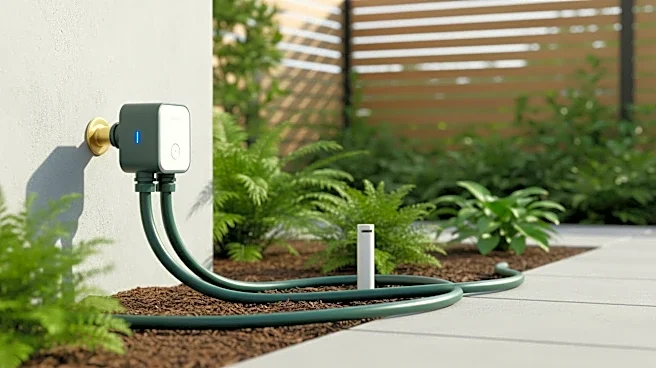
The SONOFF Hydro DUO (SWV-ZF2E), a dual-channel Zigbee 3.0 and Bluetooth 5 LE smart water valve, has been reviewed for its functionality and integration capabilities, particularly with Home Assistant. This device is designed to automate garden irrigation
with features such as up to 12 custom watering schedules, a water flow meter, and alert systems for leaks, low battery, and insufficient water. The review details the unboxing, installation, and setup processes using both the eWeLink app via Bluetooth LE and Zigbee, and its integration with a Home Assistant server. For Home Assistant integration, a Raspberry Pi 4 SBC connected to a SONOFF Dongle Max (Dongle-M) via USB was used. The Hydro DUO can be paired by pressing and holding its buttons for 5 seconds. Once connected, channels A and B can be controlled through Home Assistant. An automation was successfully set up to turn on Switch A when a XIAO Soil Moisture Sensor indicated 'Dry' soil status and turn it off when the status changed to 'Normal', demonstrating effective automated watering based on real-time soil moisture data.
Why It's Important?
The integration of smart water valves like the SONOFF Hydro DUO with home automation platforms such as Home Assistant signifies a growing trend in smart home technology for environmental management. This development is important for U.S. consumers and industries as it offers enhanced efficiency in water usage, which can lead to significant cost savings and environmental benefits, especially in regions prone to drought or with strict water conservation policies. By automating irrigation based on soil moisture, homeowners can prevent overwatering and underwatering, ensuring healthier plants while minimizing water waste. This technology also contributes to the broader smart home market by providing a practical application for IoT devices in outdoor spaces, potentially driving further innovation and adoption of integrated smart garden solutions. The flexibility of connectivity options (Bluetooth and Zigbee) makes it accessible to a wider range of users, from those with basic smartphone control to advanced users with comprehensive home automation systems.
What's Next?
Future developments for the SONOFF Hydro DUO and similar smart water valves will likely focus on expanding feature sets within third-party automation platforms like Home Assistant. Currently, Home Assistant does not support all features available in the eWeLink app, such as water flow data. Addressing these discrepancies will enhance the utility and appeal of these devices for advanced users. Additionally, continued improvements in firmware stability and ease of integration with various Zigbee gateways will be crucial for broader market adoption. Manufacturers may also explore more sophisticated sensor integrations, such as weather-based adjustments and predictive watering schedules, to further optimize water usage. The long-term reliability and stability of these devices will be continuously monitored by users, influencing future purchasing decisions and product iterations. The availability of different models (NH for North America and BSP for other regions) indicates a commitment to meeting diverse market needs, suggesting ongoing regional adaptations and support.
Beyond the Headlines
The rise of smart garden technology, exemplified by devices like the SONOFF Hydro DUO, points to a broader shift towards sustainable living and resource management within the smart home ecosystem. Beyond immediate benefits like water conservation and convenience, these technologies foster a greater awareness of environmental impact at the individual household level. The ability to precisely control and monitor water usage through automation can contribute to larger ecological goals, such as reducing strain on municipal water supplies and promoting responsible landscaping practices. Ethically, the development of such devices raises questions about data privacy and security, as they collect information about household routines and resource consumption. Ensuring robust security measures and transparent data handling policies will be critical for consumer trust. Culturally, the adoption of smart garden solutions reflects an increasing desire for efficiency and control in daily life, extending the reach of smart technology beyond indoor environments and into the natural spaces surrounding homes.