





What's Happening?
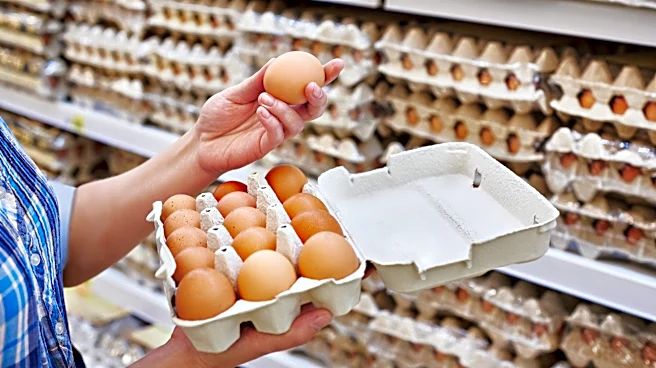
A Salmonella outbreak in Ramona, California, has expanded to 21 cases, including seven hospitalizations. The County's investigation initially linked the outbreak to mayonnaise from a Ramona market, which was made with raw eggs supplied by Happy Hens,
a poultry farm. Additional cases of the same Salmonella strain, unrelated to the market, are also under investigation. The U.S. Department of Agriculture (USDA) guidelines state that only eggs graded AA, A, or B may be sold for human consumption, and all shell eggs must be properly labeled with grade, size, and refrigeration instructions. Eggs should be refrigerated at 45°F or lower. The County's Department of Environmental Health and Quality has contacted retail food facilities that may have received eggs from Happy Hens, reminding them of proper egg storage, grading requirements, and resale protocols. This local outbreak is distinct from a multi-state outbreak in the Midwest that has affected 98 individuals.
Why It's Important?
This growing Salmonella outbreak highlights critical public health concerns related to food safety and agricultural practices. The involvement of a local egg supplier, Happy Hens, underscores the importance of stringent oversight in the food supply chain, particularly for products like eggs that are frequently consumed. The U.S. Department of Agriculture's grading and labeling requirements are designed to ensure consumer safety, and any deviation can lead to significant health risks. The increase in cases and hospitalizations demonstrates the potential severity of foodborne illnesses and the need for rapid response from health authorities. For consumers, this event reinforces the necessity of safe food handling practices, such as thorough cooking of eggs and proper refrigeration, to prevent illness. Businesses involved in food preparation and sales are reminded of their responsibility to adhere to health regulations to protect their customers and maintain public trust.
What's Next?
The County of San Diego is actively collaborating with the California Department of Food and Agriculture and the California Department of Public Health to manage the ongoing outbreak. The Department of Environmental Health and Quality will continue to work with retail food facilities to ensure compliance with egg handling and storage regulations. Individuals experiencing symptoms such as diarrhea, fever, or abdominal cramps after consuming undercooked eggs are advised to seek medical attention and report their illness to the County Department of Environmental Health and Quality. Consumers are urged to cook eggs thoroughly until both the yolk and white are firm, discard cracked or dirty eggs, and practice safe handling by washing hands and utensils after contact with raw eggs. Further investigations into the source and spread of the Salmonella strain are expected to continue to mitigate future risks.
Beyond the Headlines
The Ramona Salmonella outbreak brings to light broader issues within the agricultural and food safety sectors. The reliance on local suppliers, while often beneficial for local economies, also necessitates robust local regulatory oversight to prevent such incidents. The incident could prompt a review of current inspection protocols for smaller poultry farms and egg distributors to ensure they meet federal and state safety standards. Furthermore, it highlights the ongoing challenge of educating both consumers and food service providers about the risks associated with raw or undercooked eggs and the importance of proper food hygiene. The economic impact on Happy Hens and other local businesses could be substantial, potentially leading to stricter sourcing requirements from retailers and increased scrutiny from consumers, which could influence local agricultural markets and consumer purchasing habits.