






What's Happening?
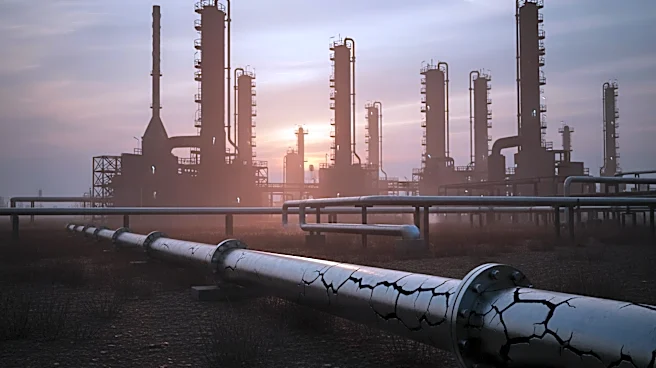
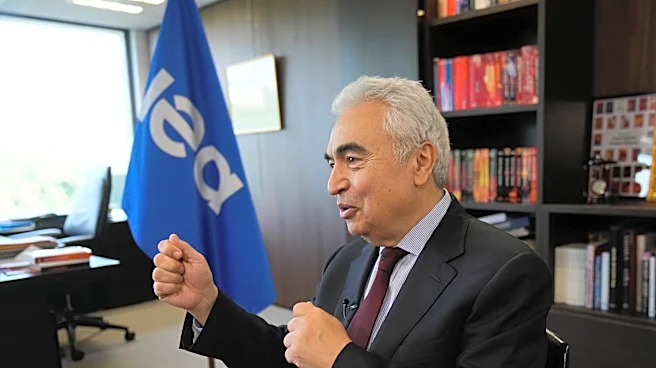
The International Energy Agency (IEA) Executive Director Fatih Birol has highlighted the severe global repercussions of the ongoing energy crisis, which he describes as the largest ever faced. This crisis stems from the blockage of vital oil and gas supplies
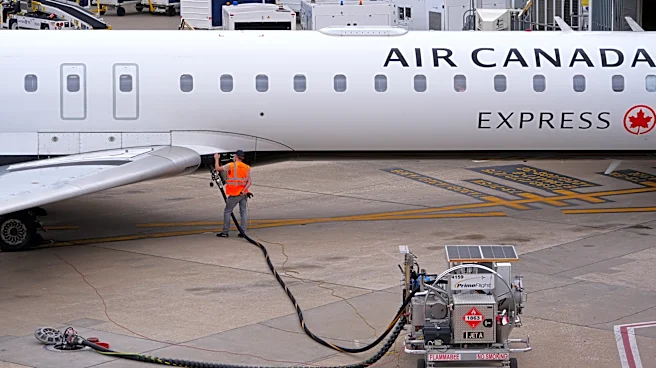
through the Strait of Hormuz due to the Iran war. Birol warns that the situation could lead to higher gasoline, gas, and electricity prices worldwide. The economic impact will be felt unevenly, with developing countries in Asia, Africa, and Latin America suffering the most. Without a resolution to the conflict that reopens the Strait, the global economy could face significant challenges, including potential flight cancellations in Europe due to a shortage of jet fuel.
Why It's Important?
The blockage of the Strait of Hormuz, a critical chokepoint for global oil supplies, poses a significant threat to the global economy. The disruption in oil flow could exacerbate inflation and slow economic growth worldwide. Developing countries, which are less equipped to handle such shocks, are likely to experience the most severe consequences. The crisis underscores the interconnectedness of global energy markets and the vulnerability of economies to geopolitical tensions. The potential for prolonged high energy prices could lead to increased costs for consumers and businesses, affecting economic stability and growth.
What's Next?
The resolution of the Iran conflict and the reopening of the Strait of Hormuz are crucial to alleviating the current energy crisis. However, even with a peace deal, the damage to energy facilities in the region means it could take up to two years to restore pre-war production levels. The international community may need to explore alternative energy sources and routes to mitigate the impact of such disruptions in the future. Additionally, countries may need to reassess their energy security strategies to reduce dependence on vulnerable supply routes.