





What's Happening?
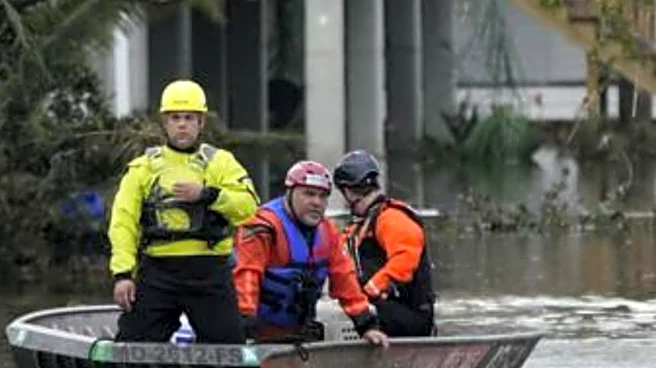
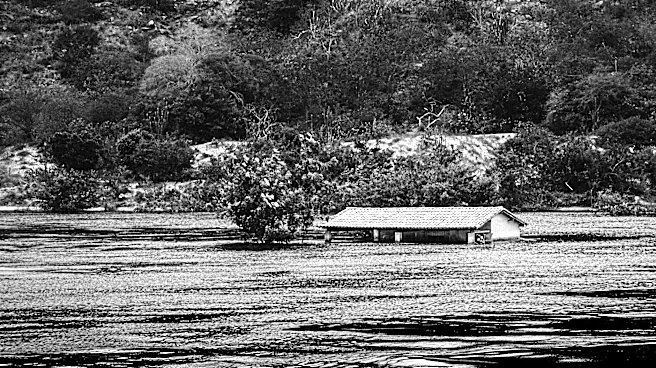
Texas is transitioning from rescue to recovery operations following severe flooding that has affected numerous counties. Governor Greg Abbott has highlighted ongoing concerns along the Nueces River, where evacuations are still underway in Uvalde County
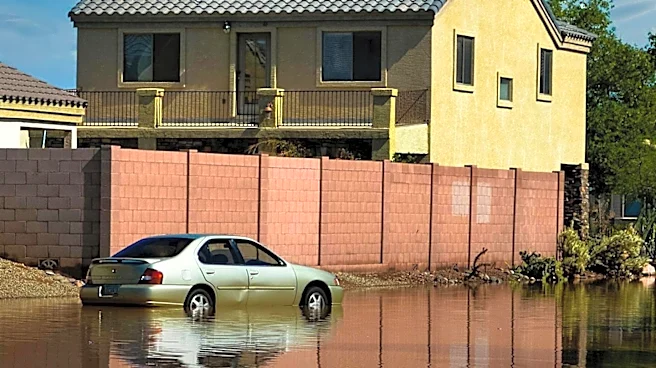
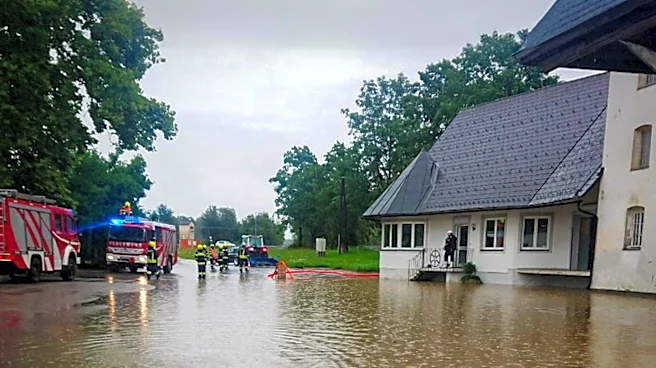
due to slowly receding floodwaters. The storms have resulted in at least two fatalities and have led to disaster declarations across dozens of counties. The Nueces River reached a record crest of 28.01 feet, surpassing previous records and causing significant infrastructure damage, including the destruction of a bridge that connects Uvalde to Eagle Pass. As floodwaters recede, residents are returning to assess damage and begin cleanup efforts. Governor Abbott has signed a major-disaster declaration to seek federal assistance, which was approved by President Trump. Preliminary assessments indicate substantial damage to homes and businesses, particularly in Kerr and Kendall counties.
Why It's Important?
The flooding in Texas has significant implications for the affected communities and the state’s infrastructure. The disaster has prompted a coordinated response involving local, state, and federal resources to address immediate needs and long-term recovery. The damage to infrastructure, such as the FM 481 bridge, highlights vulnerabilities in the region's transportation network, which could impact local economies and daily life. The disaster declarations and federal assistance are crucial for providing the necessary resources to rebuild and support affected residents. The community's resilience and mobilization efforts, including donation drives and volunteer support, underscore the social solidarity in times of crisis. The ongoing recovery efforts will test the state's capacity to manage natural disasters and could influence future policy and preparedness strategies.
What's Next?
As recovery efforts continue, the focus will be on assessing the full extent of the damage and expediting debris removal and rebuilding processes. The state will work closely with local officials to ensure efficient distribution of resources and support. The Rebuild Texas Fund and other volunteer organizations will play a critical role in providing aid and facilitating recovery. Monitoring of the Nueces River and other affected areas will continue to prevent further damage and ensure public safety. The long-term recovery will involve rebuilding homes, businesses, and infrastructure, with an emphasis on improving resilience against future flooding events. Community engagement and support will be vital in sustaining recovery efforts and rebuilding stronger, more resilient communities.