



What's Happening?
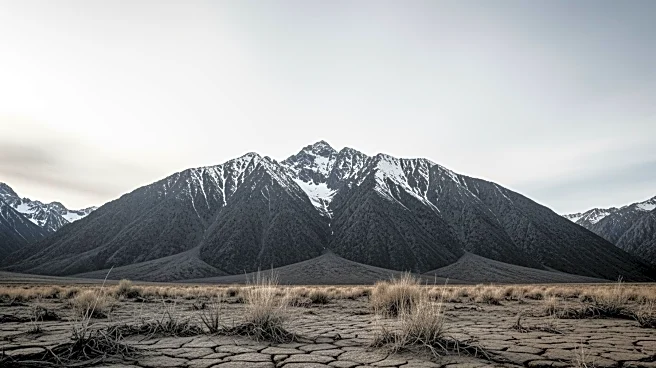
The Western United States is experiencing a record snow drought, with snowpack levels at their lowest in decades. This situation is exacerbated by unprecedented heat, which has been recorded at 67 weather stations across the region. The snowpack, crucial
for water supply, is significantly below normal levels, with Oregon's snowpack 30% lower than previous records. This lack of snow is impacting winter tourism and recreation, as well as raising concerns about future water shortages and increased vulnerability to wildfires. The National Snow and Ice Data Center reports that the current snow cover is only about 155,000 square miles, compared to the usual 460,000 square miles for this time of year.
Why It's Important?
The snow drought in the Western U.S. has significant implications for water supply, agriculture, and wildfire risk. A robust snowpack is essential for providing a steady flow of water into rivers and creeks, which supports agriculture, cities, and hydropower systems. The lack of snow or a rapid melt could lead to reduced water availability later in the year. Additionally, the early disappearance of snow increases the risk of wildfires, as it leaves the ground exposed to warmer temperatures that dry out soils and vegetation. This situation highlights the broader impacts of climate change, as warmer temperatures are causing precipitation that would normally fall as snow to fall as rain instead.
What's Next?
Meteorologists predict wetter and cooler weather in the coming week, which may alleviate some of the snow drought conditions. However, temperatures are expected to remain warmer than usual, and scientists are not optimistic that the snow will be sufficient to return to average levels. The ongoing drought conditions could lead to an early start to the wildfire season, and stakeholders in agriculture, water management, and emergency services will need to prepare for potential challenges in the coming months.
Beyond the Headlines
The current snow drought underscores the long-term challenges posed by climate change, particularly in regions dependent on snowpack for water supply. The shift from snow to rain due to warmer temperatures is a trend that scientists have warned about, and it may require significant adjustments in water management strategies. Additionally, the economic impact on winter tourism and recreation industries could be substantial, as ski resorts and related businesses face reduced revenue due to lack of snow.