





What's Happening?
Federal Minister for Climate Change and Environmental Coordination Dr. Musadik Malik has called for a fundamental shift in Pakistan's disaster management strategy, moving from reactive response to proactive prevention. Speaking at the closing ceremony
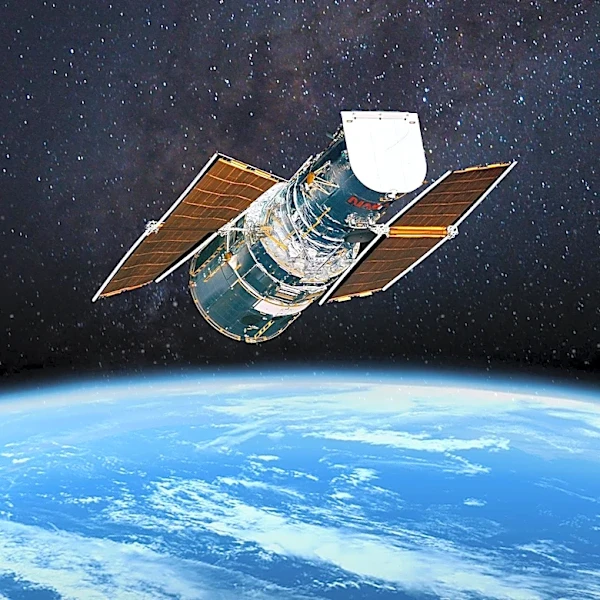
of the UN/Pakistan International Conference on 'Leveraging Space Technology for Early Warning for All (EW4All), Climate Action and Disaster Risk Assessment' in Islamabad, Dr. Malik emphasized the critical need to utilize advanced technologies such as space technology, satellite imagery, radar, hyperspectral data, artificial intelligence, and predictive modeling. The goal is to identify and mitigate risks before they escalate into full-blown disasters. He highlighted Pakistan's growing space capabilities and stressed that early warnings must be precise and location-specific, capable of reaching individual households and vulnerable communities, rather than broad regional forecasts. The minister also advocated for annual satellite-based reports on floodplains and encroachments, alongside enhanced coordination among institutions and across borders, and accurate mapping of disaster-prone areas. The five-day conference brought together approximately 250 participants from Pakistan and 22 other countries, reflecting a shared commitment to strengthening space-based early warning systems and disaster risk reduction.
Why It's Important?
This proposed shift is crucial for Pakistan, a nation frequently impacted by climate-induced disasters, including severe floods and droughts. The current reactive approach, often relying on emergency relief, has proven insufficient, leading to significant loss of life, property, and agricultural output. By adopting advanced satellite technology and AI, Pakistan aims to develop a robust early warning system that can provide actionable intelligence, enabling timely evacuations and protective measures. This proactive stance could significantly reduce the human and economic toll of natural calamities. The emphasis on precise, location-specific alerts addresses the 'last-mile gap' in disaster communication, ensuring that warnings translate into effective on-ground actions for vulnerable populations. Furthermore, the call for stronger institutional coordination and engagement of innovators underscores a broader strategy to build long-term resilience and integrate scientific data into practical decision-making processes, moving beyond temporary relief efforts to sustainable adaptation.
What's Next?
The recommendations from the conference, particularly Dr. Musadik Malik's call for a technology-driven shift, suggest a future focus on implementing advanced early warning systems. This will likely involve increased investment in space technology, AI development for predictive modeling, and the establishment of robust data-sharing mechanisms among various national and international institutions. The minister's emphasis on annual satellite-based reports on floodplains and encroachments indicates a move towards stricter enforcement of environmental regulations and urban planning to prevent future disaster amplification. Engagement with young innovators through hackathons and research initiatives is also expected to foster local solutions and expertise. The success of these initiatives will depend on sustained funding, political will, and effective collaboration between federal and provincial authorities, as well as international partners, to translate scientific advancements into tangible improvements in disaster preparedness and prevention.
Beyond the Headlines
The proposed integration of satellite technology and AI into disaster management in Pakistan has deeper implications beyond immediate risk reduction. It signifies a broader recognition of climate change as a structural and recurring challenge, necessitating a permanent administrative infrastructure rather than ad-hoc emergency responses. This technological pivot could foster a culture of scientific literacy and innovation within the country, potentially leading to advancements in other sectors. Ethically, the focus on precise, location-specific alerts aims to address inequities in disaster response, ensuring that marginalized communities, often overlooked by broad warnings, receive timely and relevant information. The shift from rescue operations as a first response to prevention as the primary goal also reflects a more humane and sustainable approach to disaster management, prioritizing the protection of vulnerable lives and livelihoods over post-disaster recovery efforts. This could set a precedent for other developing nations facing similar climate vulnerabilities.