
What's Happening?
The European Union has experienced a significant decline in its agricultural workforce over the past decade, with the share of workers in agriculture falling from 5.2% in 2013 to 3.9% in 2023. This trend
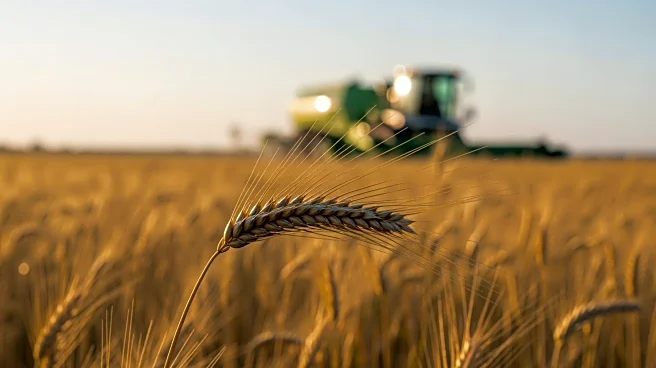
is detailed in Eurostat's latest publication, 'Key figures on the European food chain 2025'. The report highlights the impact of labor-saving technologies such as mechanization and automation on agricultural employment. Romania, Croatia, and Portugal have seen the most significant reductions in agricultural employment, reflecting broader shifts in the EU's food production and distribution systems.
Why It's Important?
The decline in the EU's agricultural workforce has significant implications for the region's food production and economic landscape. As technology continues to transform agriculture, traditional farming jobs are decreasing, potentially leading to economic challenges in rural areas. This shift also raises questions about the sustainability and resilience of the EU's food systems, as well as the need for policies that support workers transitioning to new roles. The trend highlights the broader global movement towards more technologically driven agricultural practices, which could influence food security and employment patterns worldwide.