






What's Happening?
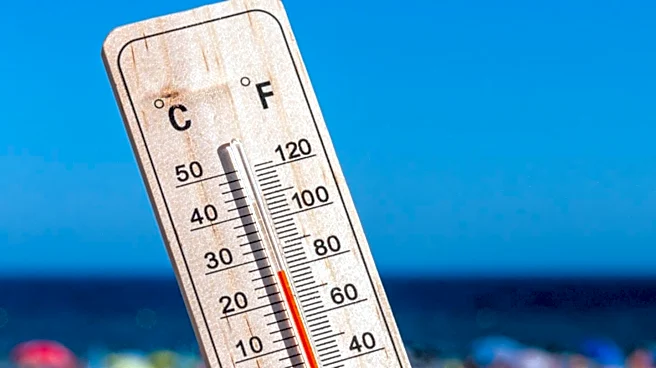
A severe heat wave has gripped the eastern United States, resulting in at least 22 suspected heat-related deaths across New Jersey. The heat wave, characterized by a massive heat dome, affected millions of Americans from Tuesday through the July 4th holiday
weekend. Temperatures soared above 100 degrees in over 20 states, with New Jersey reporting the highest number of fatalities. The New Jersey Department of Public Health emphasized the life-threatening nature of the heat, which affected people of all ages. As the heat wave begins to move south, the extreme temperatures are expected to persist, with heat index values making it feel even hotter.
Why It's Important?
The heat wave highlights the increasing frequency and intensity of extreme weather events, which pose significant public health risks. The deaths underscore the vulnerability of certain populations, particularly the elderly and those with pre-existing health conditions. The economic impact is also notable, as businesses and public services may face disruptions. The situation calls for improved infrastructure and emergency preparedness to mitigate the effects of such extreme weather conditions in the future.
What's Next?
As the heat wave shifts south, authorities are likely to continue issuing heat advisories and warnings. Public health officials may implement measures to protect vulnerable populations, such as opening cooling centers and distributing water. The event may prompt discussions on climate change and the need for policies to address its impacts. Additionally, there may be calls for increased investment in infrastructure to better withstand extreme weather events.