






What's Happening?
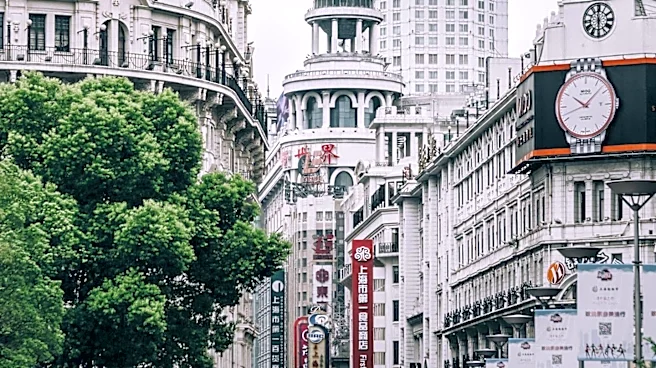
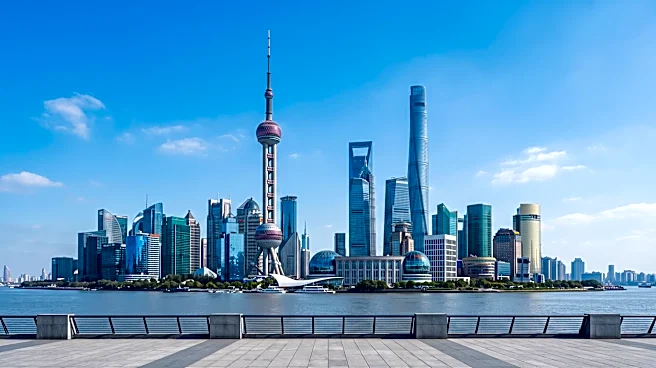
During China's National Day holidays, Shanghai and the broader Yangtze River Delta region have seen significant travel and spending. On the fourth day of the holidays, railways in the Yangtze River Delta were projected to handle 3.84 million passenger
trips, following 3.729 million trips on the previous day. China Railway Shanghai Group responded to this sustained demand by adding 104 trains and coupling 294 high-speed trainsets to increase capacity, as reported by CCTV News. This regional trend mirrors a nationwide travel rush, with China's railways recording over 18 million passenger trips daily for four consecutive days. The high volume of tourists has led to major attractions across various provinces, including those near Shanghai, implementing visitor limits, suspending ticket sales, or introducing reservation systems to manage crowds. For instance, Mount Emei and the Yungang Grottoes had sold out tickets for the weekend, and reservations for Beijing's Palace Museum were full for several days.
Why It's Important?
The surge in domestic tourism during the National Day holidays highlights the robust recovery and increasing spending power within China's economy. The significant number of passenger trips and the need for transport operators to expand capacity indicate a strong consumer confidence and a willingness to travel. This trend has a direct impact on the tourism and hospitality sectors, driving revenue for scenic spots, hotels, and related businesses. The implementation of visitor limits at popular attractions, while necessary for crowd management, also underscores the immense popularity of these sites and the potential for over-tourism if not properly managed. Economically, the increased spending on travel and duty-free shopping, such as the 358 million yuan in offshore duty-free purchases in Hainan, signals a positive outlook for domestic consumption, which is a key driver of economic growth in China. This also suggests a shift in consumer behavior, with more people opting for domestic travel experiences.
What's Next?
Following the National Day holidays, authorities and tourism operators will likely analyze the travel data to inform future infrastructure planning and crowd management strategies. The sustained high demand could prompt further investments in transportation networks and the development of new tourist destinations to alleviate pressure on existing popular sites. Businesses in the tourism sector, including hotels and retail, can anticipate continued strong demand, potentially leading to expanded services and offerings. There may also be a focus on promoting off-peak travel or lesser-known attractions to distribute tourist flow more evenly throughout the year. Additionally, the success of duty-free shopping during this period might encourage further expansion of such retail opportunities, aiming to capture more domestic consumer spending. The experience gained from managing such large crowds will be crucial for future holiday periods and major events.
Beyond the Headlines
The intense domestic travel during the National Day holidays reflects deeper societal and economic shifts in China. The growing trend of Chinese tourists seeking 'premium travel,' as indicated by the increasing number of business-class flight bookings, suggests a rising middle and upper-middle class with a greater appetite for luxury and comfort in their leisure activities. This shift from business travelers to leisure travelers in premium cabins signifies evolving consumer preferences and an emphasis on quality experiences. The phenomenon also highlights the importance of domestic tourism as a pillar of the Chinese economy, especially in the context of global travel uncertainties. Furthermore, the need for strict visitor controls at cultural and natural heritage sites raises questions about sustainable tourism and the balance between economic benefits and environmental or cultural preservation. This could lead to more sophisticated digital reservation systems and dynamic pricing models to manage demand and protect these valuable assets.