




What's Happening?
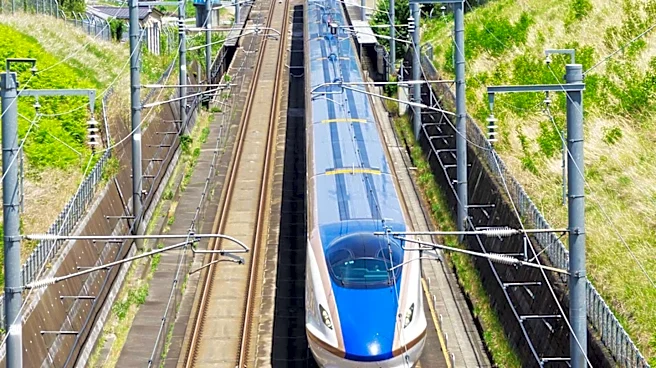
The Washington State Department of Transportation (WSDOT) is currently in the initial research phase for a high-speed rail system, known as the Cascadia High-Speed Rail, which aims to connect Vancouver, BC, Seattle, and Portland, OR. This proposed 377-mile
corridor, labeled the Cascadia 'megaregion' by WSDOT, is projected to experience significant population growth, with an additional 3.4 million people by 2050. This growth is expected to double truck trips on Interstate 5 and push 80% of interstate traffic in Washington state to medium/high congestion levels. In Oregon, 78% of I-5 in Portland is anticipated to operate with severe congestion by 2045. WSDOT is actively seeking public input through an online survey, which remains open until November 13, to gather feedback from residents and potential travelers. The agency received a $49.7 million grant from the Federal Rail Association (FRA) and a $5.5 million state legislative match in 2024 to develop a Service Development Plan and an I-5 Master Plan.
Why It's Important?
This high-speed rail project is significant for addressing the escalating traffic congestion and population growth in the Pacific Northwest. By offering an alternative transportation option, the Cascadia High-Speed Rail aims to alleviate pressure on Interstate 5, which is projected to face severe congestion in the coming decades. The project could drastically reduce travel times between major cities; for instance, a trip from Seattle to Portland could be cut from approximately three hours to just over one hour. This efficiency would not only benefit commuters but also enhance economic connectivity and cultural exchange within the megaregion. The initiative also represents a substantial investment in modern infrastructure, potentially positioning the Pacific Northwest alongside regions in Europe and China that already utilize high-speed rail, thereby fostering economic strengthening and opening up new leisure opportunities for residents.
What's Next?
Following the completion of the Service Development Plan in 2028, the Cascadia High-Speed Rail project will advance to the Environmental/Planning stage, which is estimated to take three to five years, depending on encountered challenges. After this, officials will proceed to the design phase and then construction. WSDOT plans to seek funding assistance from various sources, including British Columbia, Oregon, the FRA, and private investors, to ensure the project's viability. Public input gathered from the ongoing survey will play a crucial role in shaping the project's development. The collaboration with entities like the Ministry of Transportation and Transit in British Columbia, the Oregon Department of Transportation, and Oregon Metro indicates a multi-jurisdictional effort to bring this ambitious transportation solution to fruition.
Beyond the Headlines
The development of the Cascadia High-Speed Rail project extends beyond mere transportation improvements; it signifies a potential paradigm shift in regional planning and inter-state cooperation. The project highlights a proactive approach to managing urban sprawl and environmental impact by offering a more sustainable travel alternative compared to increased reliance on personal vehicles. Furthermore, the integration of high-speed rail could foster a more cohesive 'megaregion' identity, encouraging greater economic integration and cultural exchange between Vancouver, BC, Seattle, and Portland. The success of this project could also serve as a model for other densely populated corridors in the U.S., demonstrating the feasibility and benefits of investing in advanced rail infrastructure to address future demographic and environmental challenges.