





What's Happening?
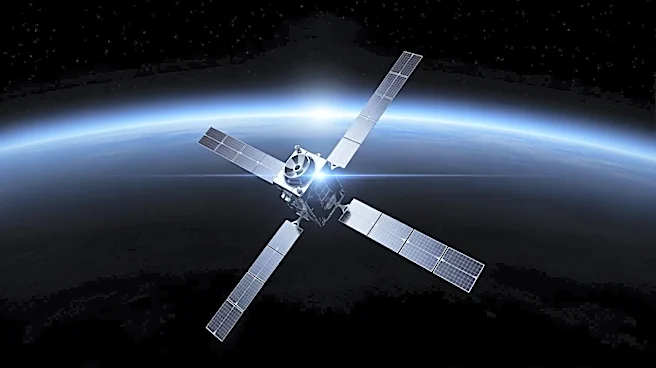
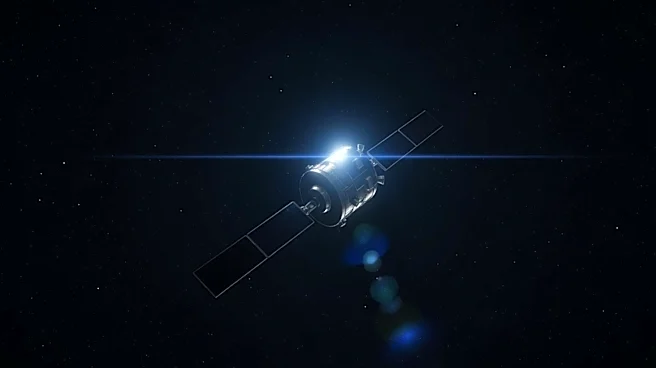
NASA is contemplating a reboost of the Hubble Space Telescope, contingent on reducing its operational costs. The agency is currently preparing to reboost the Neil Gehrels Swift Observatory using the Link servicing spacecraft, which has arrived at the Wallops
Flight Facility in Virginia. This mission, if successful, could serve as a model for Hubble's reboost. The high cost of operating Hubble, which was $98.8 million in fiscal year 2025, poses a significant challenge. NASA's Science Mission Directorate is exploring ways to lower these costs to make the reboost feasible.
Why It's Important?
The potential reboost of the Hubble Space Telescope is significant for the scientific community and NASA's future missions. Hubble has been a cornerstone of astronomical research, and extending its operational life could continue to yield valuable scientific data. However, the high operational costs are a barrier. Successfully reducing these costs could free up resources for new missions and signal to the commercial sector that NASA is open to innovative solutions for extending the life of its assets. This could lead to more collaborations and advancements in space technology.
What's Next?
NASA will need to determine how to effectively reduce Hubble's operational costs to proceed with the reboost. If successful, Hubble could continue to operate for many more years, potentially bridging the gap until the launch of the Habitable Worlds Observatory in the 2040s. The agency's decision will likely influence future strategies for managing aging space assets and could set a precedent for cost-effective mission extensions.