






What's Happening?
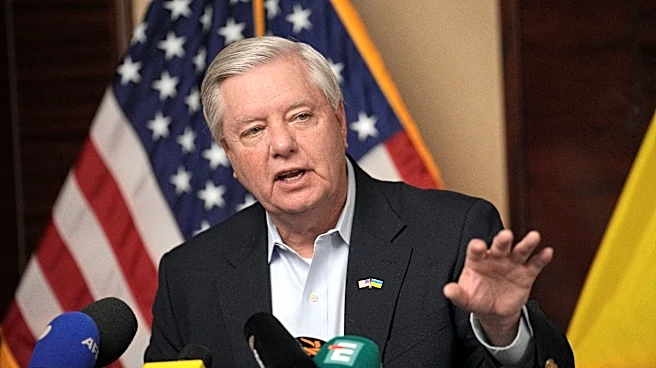
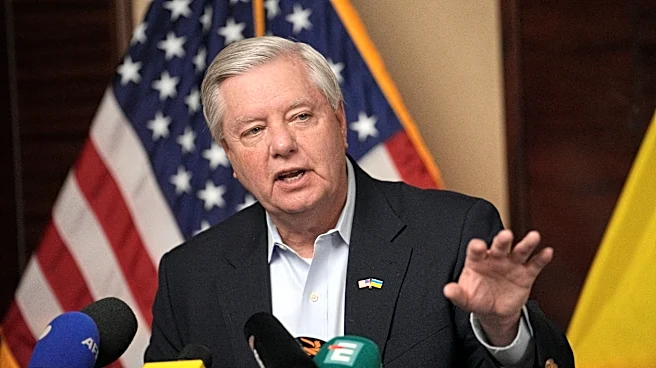
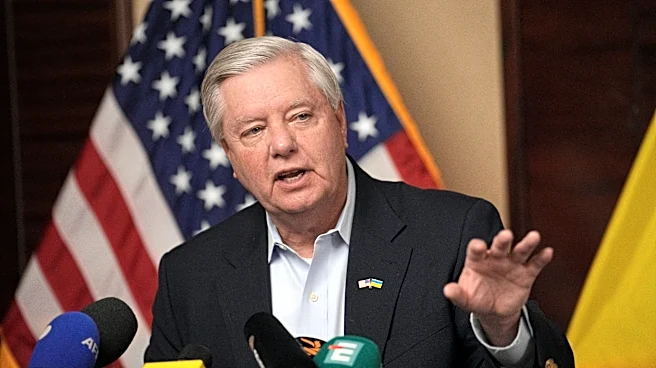
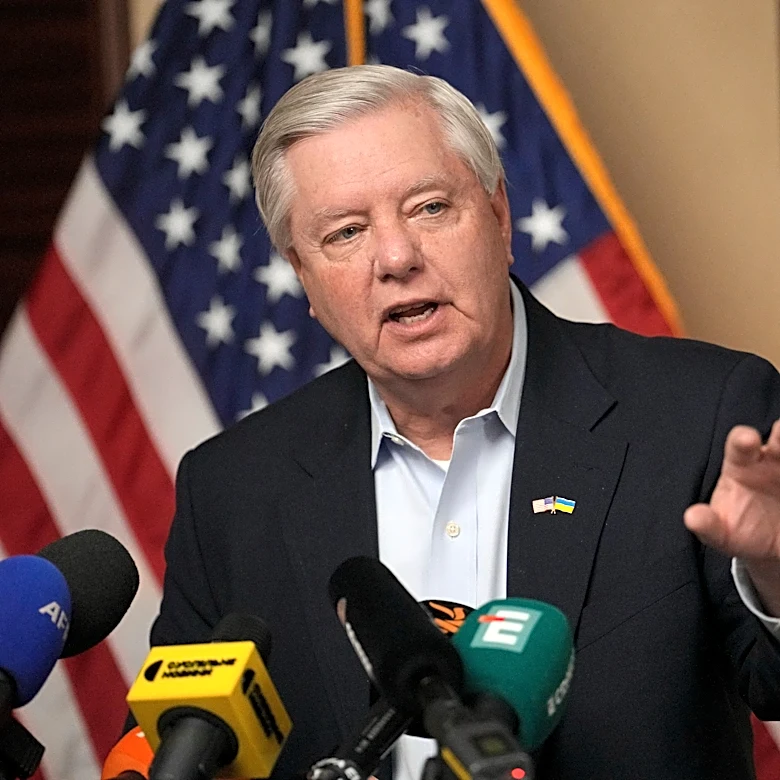
Senator Lindsey Graham of South Carolina, a prominent ally of President Trump and a former presidential candidate, passed away on Saturday night following a brief illness. He was 71 years old. A statement from his office confirmed his death and requested
privacy for his family during this difficult time. Graham, who was first elected to the U.S. Senate in 2002, was known for his strong support of President Trump and his active role in the Senate. Prior to his Senate career, Graham served in the U.S. House of Representatives, becoming the first Republican to win in South Carolina's Third Congressional District since 1877. He also had a military background, having served as a lawyer in the Air Force and in the South Carolina Air National Guard until 1995. Graham's political career included a run for the presidency in 2015, where he competed in a crowded Republican primary field.
Why It's Important?
The passing of Senator Lindsey Graham marks a significant moment in U.S. politics, particularly for the Republican Party and President Trump's circle of allies. Graham was a key figure in the Senate, known for his influence and leadership on various issues, including national security and judicial appointments. His death leaves a vacancy in the Senate, which could impact the balance of power and the legislative agenda. As a staunch supporter of President Trump, Graham's absence may affect the dynamics within the Republican Party, especially in the lead-up to future elections. His passing also opens up a competitive race for his Senate seat, which could have implications for both state and national politics.
What's Next?
With Senator Graham's passing, the process to fill his Senate seat will begin, likely leading to a special election. This will be a critical moment for both the Republican and Democratic parties as they vie for control of the seat. The outcome of this election could influence the Senate's composition and the legislative priorities moving forward. Additionally, political leaders and constituents will be watching closely to see how Graham's absence affects ongoing and future policy debates, particularly those related to national security and judicial matters, areas where he was notably active.