





What's Happening?
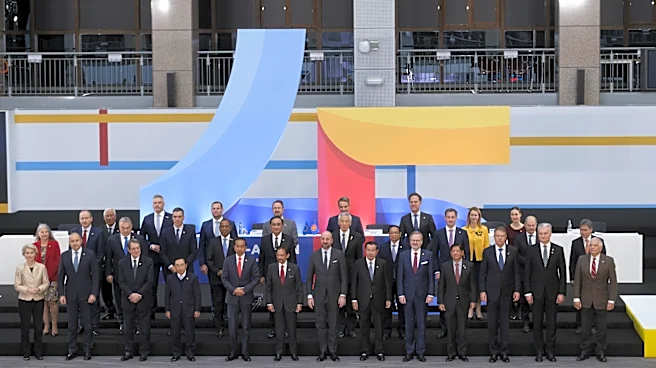
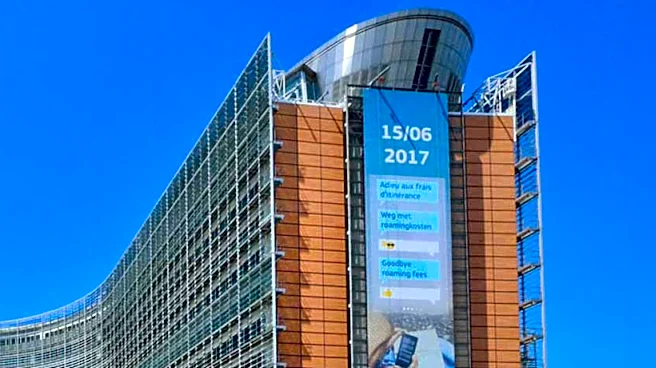
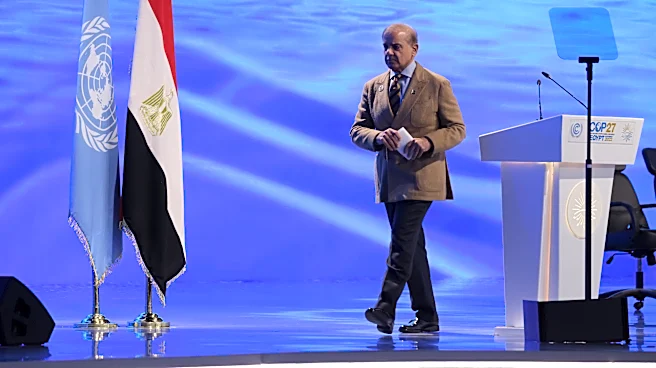
The European Union Commission is set to participate in the COP31 UN Climate Change Conference in Antalya, Türkiye, from November 9-20, 2026. The EU's primary objective at the conference is to collaborate with international partners to accelerate global
climate action and fulfill the commitments of the Paris Agreement. Amidst increasing geopolitical and energy security challenges, the Commission emphasizes the growing socio-economic imperative for clean electrification, the widespread adoption of clean and renewable energy sources, a transition away from fossil fuels, and the mobilization of significant investment. European Commission President Ursula von der Leyen highlighted Europe's commitment to leading by example, aiming to become the first climate-neutral continent. The EU will also promote its 'Electrify Now' global campaign, advocate for carbon pricing through the Open Coalition on Compliance Carbon Markets, and advance green industrialization via the Climate Club. Various EU Commissioners will attend, focusing on areas such as climate resilience, ocean-climate nexus, plastic pollution, and energy transition.
Why It's Important?
The EU's proactive stance at COP31 is significant as it aims to drive global climate policy and action, potentially influencing international standards and investment flows. By pushing for clean electrification and the transition away from fossil fuels, the EU could set precedents that encourage other major economies, including the U.S., to accelerate their own decarbonization efforts. The emphasis on mobilizing climate finance is crucial for developing nations, as it addresses a key barrier to their climate action and adaptation strategies. The EU's commitment to carbon pricing could also inspire broader adoption of such mechanisms, creating new market dynamics for emissions reductions. Furthermore, the focus on climate resilience and adaptation indicators will help countries, including those in the U.S. facing increasing climate impacts, to better track progress and strengthen preparedness against climate risks. The EU's leadership in these areas could foster greater international cooperation and shared solutions for global environmental challenges.
What's Next?
At COP31, the EU negotiating team will work towards operationalizing climate adaptation indicators agreed upon at COP30 under the UAE–Belém Framework for Global Climate Resilience. This initiative aims to help all countries, including the U.S., track progress and enhance preparedness for climate impacts. The EU will also concentrate on the implementation of the New Collective Quantified Goal for climate finance, urging engagement from all stakeholders within and beyond the UNFCCC, with a particular focus on the needs of Least Developed Countries and Small Island Developing States. Decisions made at COP31 are expected to be based on scientific evidence, and the EU will advocate for the operationalization of the Belém Just Transition Mechanism to ensure fair and inclusive transitions. The EU will host a dedicated pavilion with nearly 40 side events, showcasing its climate actions and support for the clean transition, covering topics from clean technology and climate resilience to energy security and environmental protection.
Beyond the Headlines
The EU's comprehensive approach at COP31 extends beyond immediate policy goals, reflecting a deeper commitment to shaping a global climate agenda that integrates economic, social, and environmental dimensions. The push for clean electrification and carbon pricing signals a long-term vision for a decarbonized global economy, which could lead to significant shifts in energy markets and industrial practices worldwide. The emphasis on climate finance and just transition mechanisms highlights the ethical imperative of ensuring equitable climate action, addressing historical responsibilities, and supporting vulnerable nations. This could foster greater global solidarity and reduce potential geopolitical tensions arising from climate inequalities. Furthermore, the EU's focus on climate resilience and adaptation underscores a growing recognition that mitigation alone is insufficient, necessitating robust strategies to cope with unavoidable climate impacts. This holistic approach could drive innovation in green technologies and sustainable development models, influencing global investment patterns and fostering a more resilient international community.