
What's Happening?
In response to ongoing internet blackouts in Iran, many Iranians are crossing the border into Turkey to access the internet. The blackouts began on January 8 during mass protests and a government crackdown,
severely limiting communication. While the protests have subsided, the internet restrictions remain, affecting those who rely on it for work. Iranians can enter Turkey without visas, allowing them to make short trips to access the internet. Some fund these trips by selling goods like cigarettes and tea, which are cheaper in Iran. The situation highlights the challenges faced by Iranians, who are caught between government restrictions and the need to maintain their livelihoods.
Why It's Important?
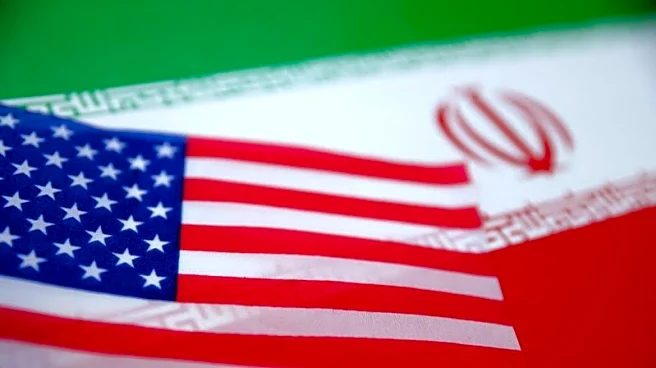
The internet blackouts in Iran have significant implications for the country's economy and its citizens' ability to communicate. For those working in sectors reliant on digital connectivity, such as e-commerce, the inability to access the internet can lead to substantial economic losses. The blackouts also highlight the Iranian government's control over information and its impact on civil liberties. The situation underscores the broader geopolitical tensions in the region, as Iran's internal unrest and external pressures from countries like the U.S. and Israel continue to shape its domestic policies.