
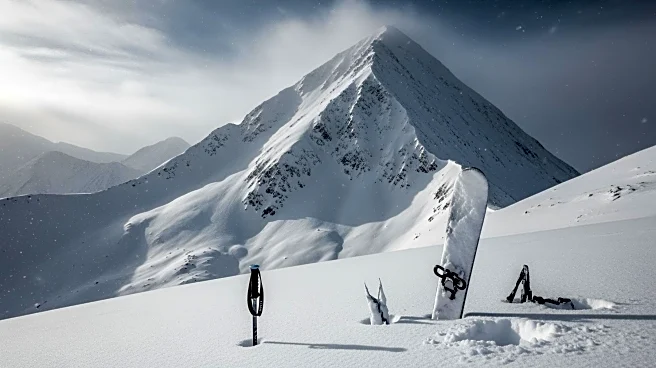
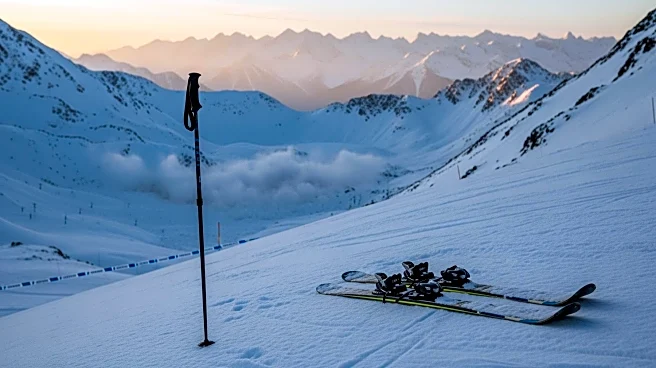
What's Happening?
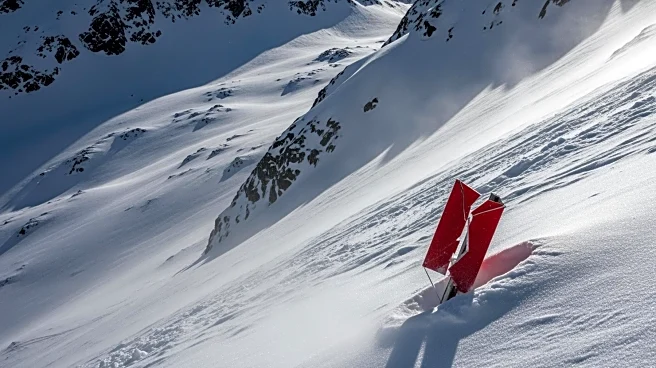
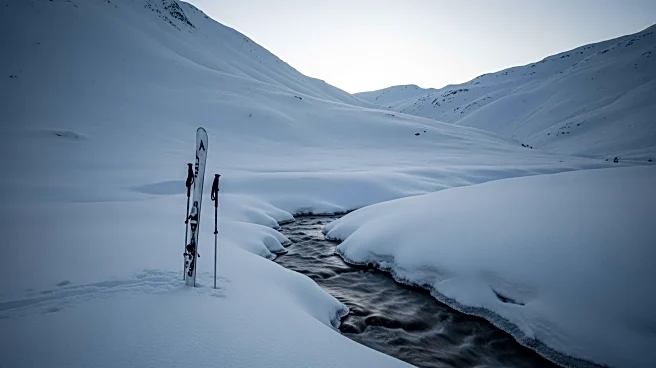
A devastating avalanche near Lake Tahoe, California, resulted in the deaths of nine individuals, including six skiers and three professional mountain guides. The incident occurred during a backcountry skiing trip organized by Blackbird Mountain Guides,
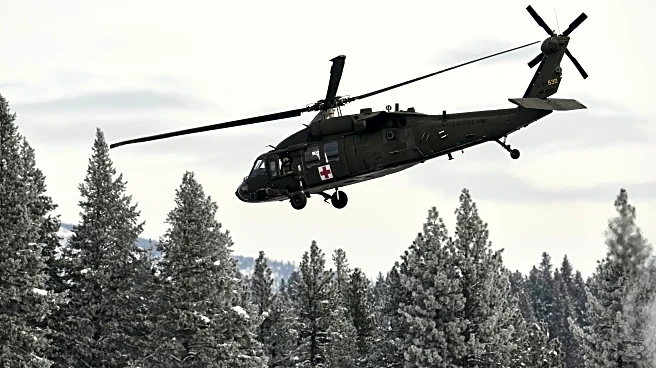
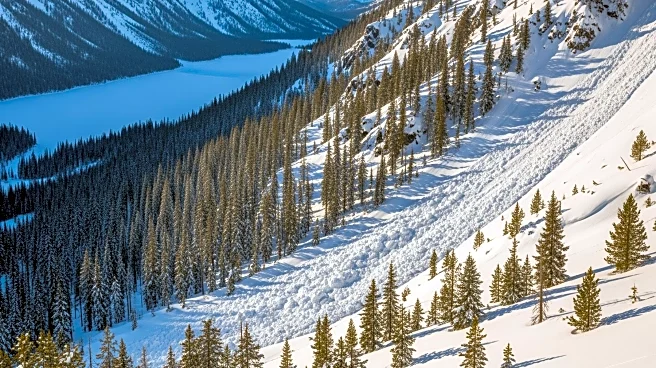
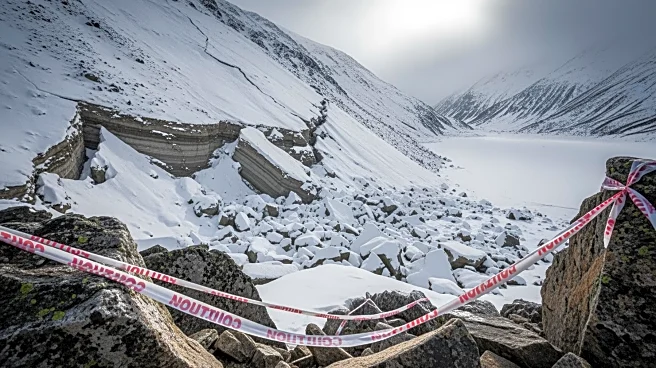
despite warnings of a severe winter storm. The victims were part of a group of 15 people who embarked on the skiing adventure above Donner Pass. The avalanche, described as a massive wall of snow, struck as the group was nearing safety. Search-and-rescue teams have since recovered all the bodies, and six survivors were rescued, with some hospitalized for injuries.
Why It's Important?
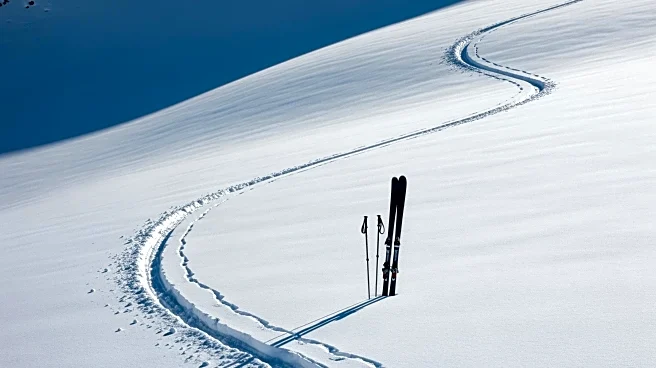
This tragic event highlights the inherent risks associated with backcountry skiing, a sport that has gained popularity due to overcrowded ski resorts. Despite the allure of untouched snow and solitude, the dangers of avalanches remain significant. The incident underscores the importance of heeding weather warnings and the potential consequences of venturing into hazardous conditions. It also raises questions about the responsibilities of professional guides in ensuring the safety of their clients. The loss of life in this avalanche serves as a stark reminder of the unpredictable nature of mountain environments and the need for rigorous safety protocols.
What's Next?
In the aftermath of the avalanche, there may be increased scrutiny on the practices of backcountry skiing operators and the safety measures they implement. Authorities and industry stakeholders might review guidelines and regulations to prevent similar tragedies. The families of the victims are likely to seek answers regarding the decision to proceed with the trip despite the storm warnings. This incident could lead to broader discussions within the skiing community about risk management and the balance between adventure and safety.
Beyond the Headlines
The cultural fascination with extreme sports and the pursuit of adventure often overshadow the potential dangers involved. This tragedy may prompt a reevaluation of how such activities are marketed and perceived. Additionally, it highlights the emotional and psychological impact on the families and communities affected by such losses. The incident could also influence future policies on outdoor recreational activities, particularly in regions prone to natural hazards.