



What's Happening?
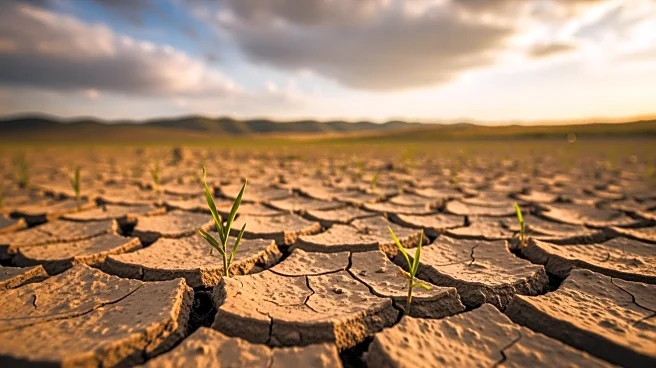
Farmers in Tajikistan are facing challenges due to an unusually warm winter, with temperatures 1-2 degrees Celsius above normal. This climate volatility, coupled with predicted late-winter cold spells, poses a threat to agriculture and future harvests.
Experts have advised farmers to use irrigation and mulching to protect crops from heat damage and pest larvae. The fluctuating weather could lead to early plant growth, making crops vulnerable to upcoming cold snaps, potentially resulting in significant agricultural losses.
Why It's Important?
The situation in Tajikistan highlights the broader impact of climate change on agriculture, a critical sector for food security and economic stability. The potential crop losses could have cascading effects on farmers and communities, exacerbating food shortages and economic challenges. This scenario underscores the urgent need for adaptive agricultural practices and technologies to mitigate the effects of climate volatility. The global rise in temperatures and extreme weather events necessitates a shift towards sustainable farming practices and pollution reduction to ensure long-term agricultural resilience.
What's Next?
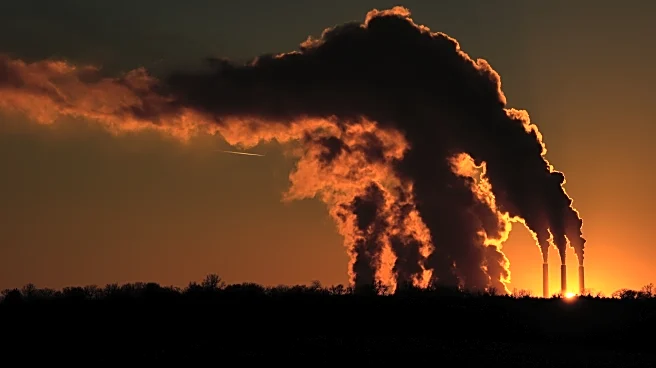
Farmers may need to adopt new irrigation techniques and protective measures to safeguard crops against extreme weather. Research into developing heat-tolerant crop varieties and improving pest management could become priorities. On a larger scale, efforts to reduce pollution from fossil fuels are crucial to slowing climate change and its impact on agriculture. Policymakers and agricultural stakeholders may need to collaborate on strategies to enhance food security and support farmers in adapting to changing climate conditions.