
What's Happening?
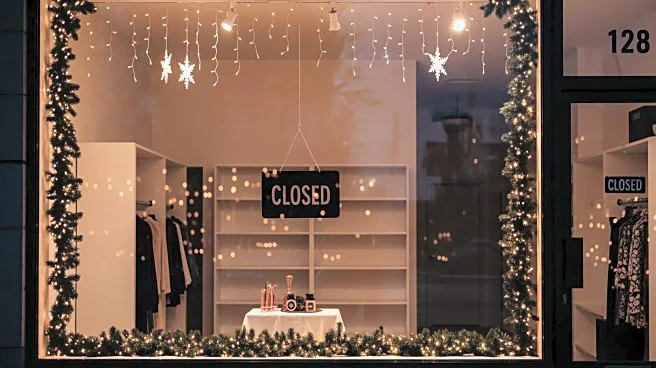
On Christmas Day, most major retailers across the United States, including Walmart, Target, and Costco, will be closed. This closure extends to many grocery stores such as Publix, Kroger, and Trader Joe's.
However, some stores like CVS and Walgreens will have select locations open with modified hours, and 24-hour locations will remain operational. Starbucks and McDonald's may also have limited hours, depending on the location. Consumers are advised to check local store hours online or call ahead to confirm availability. This pattern of closures is typical for the holiday, as businesses allow employees to spend time with their families.
Why It's Important?
The widespread closure of major retailers on Christmas Day underscores the importance of the holiday as a time for family and rest, reflecting cultural values that prioritize personal time over commercial activity. For consumers, this means planning ahead to avoid last-minute shopping needs. For businesses, it represents a balance between meeting consumer demand and respecting employee well-being. The closures also highlight the operational challenges and decisions retailers face during the holiday season, as they navigate between customer service and employee satisfaction.
What's Next?
As the holiday season progresses, retailers will prepare for the post-Christmas shopping rush, often marked by sales and returns. Businesses may also evaluate their holiday strategies, considering consumer feedback and sales data to improve future operations. Additionally, the trend of holiday closures may prompt discussions about work-life balance and employee rights, influencing future policies in the retail sector. Retailers might also explore innovative solutions to meet consumer needs during holiday closures, such as enhanced online shopping experiences or extended pre-holiday hours.