







What's Happening?
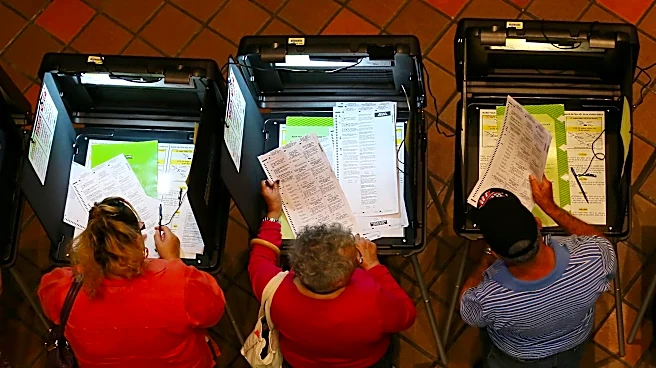
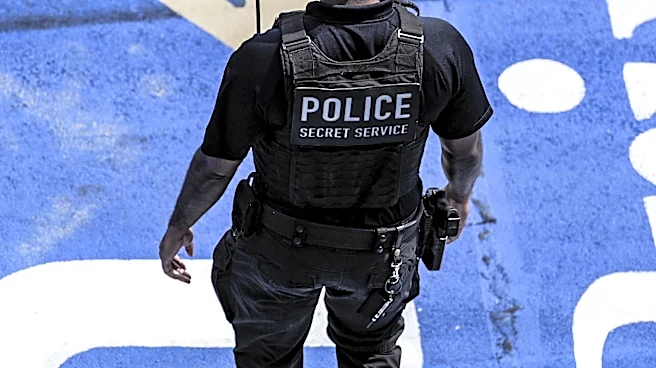
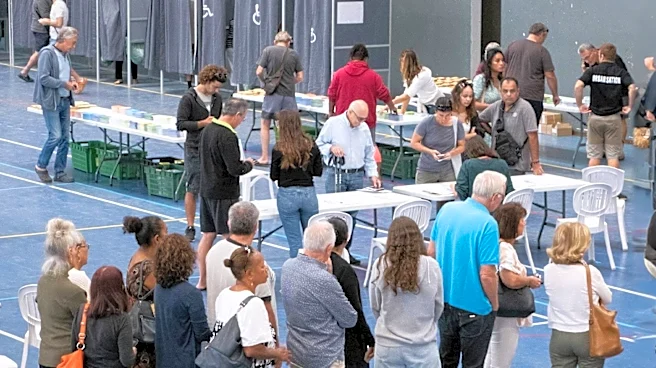
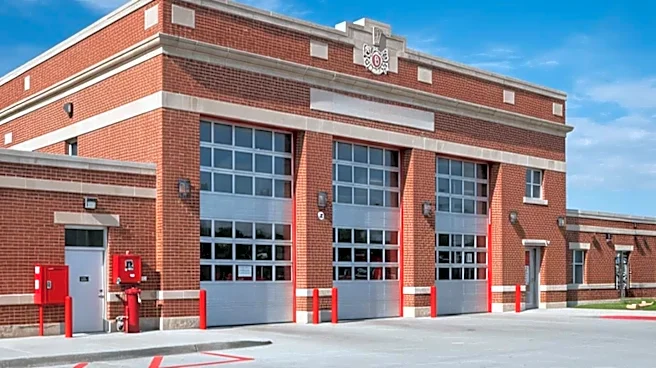
South Portland residents have overwhelmingly rejected an $88.6 million bond proposal intended to fund the construction of new police and fire stations. On Tuesday, 63% of voters cast their ballots against the measure. The proposed bond allocated $44.35
million for a new police station on the former Walgreens lot at Cash Corner and $44.25 million for a new fire station on the existing building's property. A total of 5,002 ballots supported the bond, while 8,658 residents voted against it, resulting in a roughly 3-to-2 margin of defeat. The City of South Portland had argued that the current police and fire stations are aging and do not meet modern public safety, accessibility, or operational standards, and that renovations would be costly without fully addressing underlying issues. Opponents, however, contended that the project was too expensive and would impose an excessive burden on taxpayers, especially during challenging economic times.
Why It's Important?
The rejection of this significant bond package by South Portland voters highlights a common tension in local governance: the balance between essential public services and taxpayer burden. While city officials emphasized the critical need for updated public safety infrastructure, a substantial portion of the electorate prioritized fiscal conservatism. This decision could have long-term implications for the city's emergency response capabilities and the working conditions of its police and fire departments. The existing facilities, described as not meeting current standards, may continue to pose operational challenges and potentially impact the efficiency and effectiveness of public safety personnel. The outcome also reflects a broader sentiment among some residents regarding the affordability of large-scale municipal projects, particularly in the current economic climate, setting a precedent for future public spending proposals in the region.
What's Next?
Following the bond's rejection, the City of South Portland faces uncertainty regarding the future of its police and fire station projects. It is not yet clear how the City plans to move forward. Discussions with the city council are anticipated to determine the most responsible path forward, especially concerning the property at Cash Corner, which was purchased for the new police station. A significant portion of the funding for this land came from police asset forfeiture funds, meaning any alternative use or sale of the property would need to consider these financial origins. The city will need to re-evaluate its options for addressing the aging public safety infrastructure, which could include exploring less costly renovation plans, seeking alternative funding sources, or proposing a revised bond measure in the future. The decision also signals to city officials the need for more robust public engagement and communication strategies when proposing large capital projects.
Beyond the Headlines
The rejection of the bond goes beyond a simple 'yes' or 'no' vote on infrastructure; it reflects a deeper community dialogue about priorities, fiscal responsibility, and the perceived value of public services. The argument from opponents about the project being 'too much' in 'worst of economic times' points to broader economic anxieties influencing local political decisions. This outcome could lead to a re-evaluation of how municipal projects are planned, presented, and funded, potentially fostering more creative or phased approaches to development. It also underscores the power of local voters to directly influence significant public spending, serving as a check on municipal ambitions. The fate of the Cash Corner property, specifically, will be a test of the city's ability to adapt and find alternative solutions that align with both public needs and voter expectations, potentially setting a precedent for how cities manage land acquired for now-defunct projects.