



What's Happening?
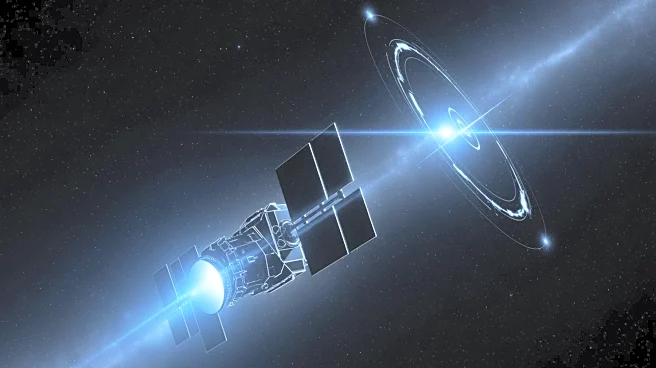
Reports indicate that Russia is developing a new anti-satellite weapon designed to target SpaceX's Starlink constellation. The weapon, known as the 'zone-effect,' would release high-density pellets to disable multiple satellites, potentially causing collateral
damage to other systems. Analysts are skeptical about the weapon's feasibility, citing the risk of uncontrollable chaos in space. Russia perceives Starlink as a threat due to its support for Ukraine's military communications. The development raises concerns about the militarization of space and the potential for conflict.
Why It's Important?
The potential deployment of anti-satellite weapons marks a significant escalation in space militarization, with implications for global security and satellite operations. Starlink's network is vital for communications, especially in conflict zones like Ukraine. Disrupting these satellites could have severe consequences for military and civilian infrastructure. The situation underscores the need for international dialogue and regulation to prevent space weaponization and ensure the safety of critical satellite networks that support global communications and navigation.
What's Next?
The international community may need to address the threat of anti-satellite weapons through diplomatic channels and regulatory frameworks. Space-faring nations could collaborate to establish norms and agreements that prevent the deployment of such weapons. The situation may also prompt companies like SpaceX to enhance their satellite resilience and develop countermeasures. As tensions rise, the focus on space security and the protection of vital infrastructure will likely intensify, influencing future space policy and defense strategies.