







What's Happening?
Hundreds of lawsuits have been filed against agricultural companies, including GROWMARK, Chevron Chemical Company, and Syngenta, alleging that they sold paraquat-based herbicides despite knowing about a potential link between the chemical and Parkinson's
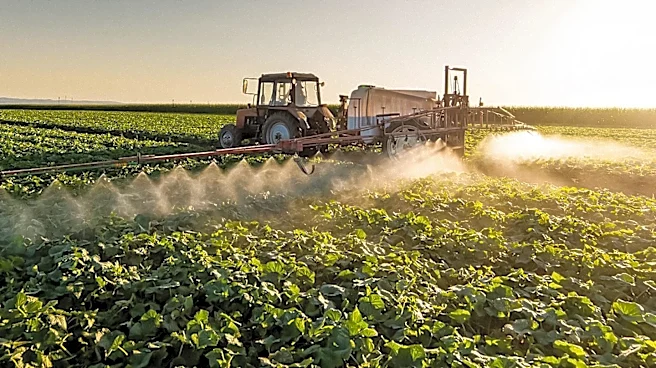
disease. Paraquat, a toxic chemical herbicide, has been widely used since the 1960s as an effective weed killer. However, studies have suggested a connection between exposure to paraquat and neurological symptoms that can lead to Parkinson's disease. Exposure can occur through ingestion, inhalation, or skin contact, with ingestion potentially causing brain damage and other forms of exposure leading to lung damage, organ failure, or central nervous system problems. Many countries have banned the use of paraquat due to these concerns. Farm workers, agricultural workers, groundskeepers, and herbicide applicators are among those who may have been exposed to the chemical and are now seeking compensation if they have been diagnosed with Parkinson's disease.
Why It's Important?
These lawsuits highlight significant concerns regarding product liability and corporate responsibility within the agricultural chemical industry. The alleged link between paraquat and Parkinson's disease, a debilitating neurological condition, raises serious public health questions, particularly for individuals in agricultural professions who are routinely exposed to such chemicals. If the plaintiffs are successful, it could lead to substantial financial liabilities for the defendant companies and potentially influence future regulations on herbicide production and usage in the United States. The outcome of these cases could also set precedents for how chemical manufacturers are held accountable for the long-term health impacts of their products, potentially leading to increased scrutiny and stricter safety protocols across the industry. This situation underscores the ongoing tension between agricultural productivity and worker safety.
What's Next?
The ongoing legal proceedings will involve extensive discovery, expert testimony, and potentially lengthy trials or settlement negotiations. As more individuals come forward with Parkinson's diagnoses after paraquat exposure, the number of lawsuits could continue to grow. The legal outcomes will likely influence regulatory bodies to re-evaluate the safety standards and permissible uses of paraquat and similar herbicides in the U.S. Agricultural companies may face increased pressure to invest in alternative, safer weed control methods or to provide more comprehensive warnings and protective measures for users. The scientific community may also intensify research into the neurological effects of paraquat and other agricultural chemicals, potentially leading to new findings that could further impact legal and regulatory landscapes.
Beyond the Headlines
The paraquat litigation extends beyond immediate financial and legal implications, touching upon broader ethical considerations regarding corporate knowledge and public health. The allegations suggest that companies may have prioritized product sales over potential health risks, raising questions about corporate ethics and transparency. This situation could fuel a larger public discourse on the precautionary principle in chemical regulation, where substances are restricted or banned if there is a reasonable suspicion of harm, even if scientific evidence is not yet conclusive. Furthermore, it highlights the vulnerability of agricultural workers, who often face occupational hazards with long-term health consequences, prompting discussions about worker protection, compensation, and access to healthcare in rural communities. The legal battles could also influence consumer trust in agricultural products and the companies that produce them.