




What's Happening?
Loudoun County is inviting the public to an in-person design public hearing for proposed intersection improvements at Old Ox Road/Douglas Court and Old Ox Road/Dulles Summit Court. This hearing, a requirement by the Virginia Department of Transportation
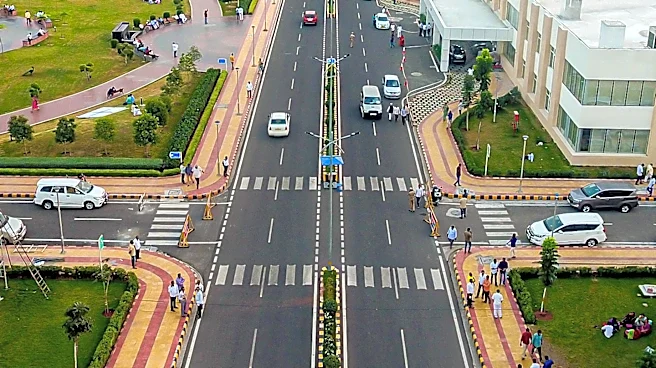
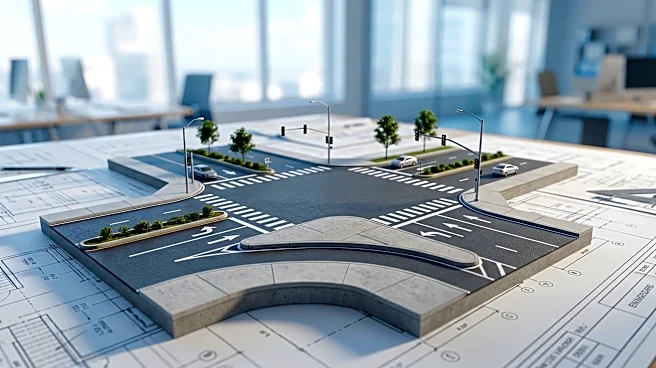
(VDOT) as part of the project development process, will take place on Thursday, December 3, 2026, from 6:00 PM to 7:30 PM at Sterling Library, Room B, located at 22330 S. Sterling Boulevard, Sterling. Attendees will receive updates on the project and have the opportunity to provide comments. The Old Ox Road/Douglas Court intersection will be converted to a right-in, right-out, left-in configuration, including a raised island for traffic movement. The Old Ox Road/Dulles Summit Court project will introduce pedestrian improvements such as wider curb ramps, a wider median refuge, a marked crossing, and a curb extension to shorten pedestrian crossing distances. These projects are part of Loudoun County’s Intersection Improvement Program (IIP), which addresses traffic safety and operational challenges on primary or collector roadways identified in the Countywide Transportation Plan (CTP).
Why It's Important?
These intersection improvements are crucial for enhancing traffic safety and operational efficiency within Loudoun County, particularly along key roadways. The modifications at Old Ox Road/Douglas Court aim to streamline vehicle flow and reduce potential conflict points, which can lead to fewer accidents and smoother commutes for residents. The pedestrian enhancements at Old Ox Road/Dulles Summit Court are vital for improving safety for walkers and cyclists, especially in an area that likely experiences significant foot traffic. By making crossings safer and more accessible, the county is promoting active transportation and reducing the risk of pedestrian-involved incidents. The funding structure, which includes local tax funding, state funding through Virginia’s Smart Scale program, and federal funding, highlights a collaborative effort across different government levels to invest in critical infrastructure. This investment not only benefits daily commuters and pedestrians but also supports the broader economic and social development of the county by ensuring a more reliable and secure transportation network.
What's Next?
Following the public hearing on December 3, 2026, comments will continue to be accepted through an online form until December 17, 2026. All feedback received during the meeting and the comment period will be forwarded to the design project team and the Board of Supervisors for consideration. This public input is a critical component of the project development process, allowing community concerns and suggestions to influence the final design. The project team will continue to engage with the public throughout subsequent phases. The implementation of these improvements, once finalized, is expected to lead to tangible benefits in traffic flow and pedestrian safety. The ongoing nature of Loudoun County’s Intersection Improvement Program suggests that similar projects will continue to be identified and addressed, contributing to a long-term strategy for enhancing the county's transportation infrastructure.
Beyond the Headlines
The emphasis on both vehicular and pedestrian improvements in these projects reflects a growing trend in urban and suburban planning towards creating more integrated and multimodal transportation systems. By addressing the needs of drivers, pedestrians, and potentially cyclists, Loudoun County is moving towards a more holistic approach to infrastructure development. The inclusion of federal and state funding, alongside local taxes, underscores the recognition that transportation infrastructure is a shared responsibility with widespread benefits. This collaborative funding model can serve as a blueprint for other localities facing similar challenges. Furthermore, the public hearing process itself highlights the importance of community engagement in infrastructure projects, ensuring that local voices are heard and incorporated into decisions that directly impact their daily lives. This participatory approach can foster greater public trust and lead to more effective and community-supported outcomes.