
What's Happening?
Tensions in the Middle East continue to rise as the U.S. and Iran engage in a complex geopolitical conflict. President Trump has declared Iran 'militarily defeated' and suggested that U.S. forces could
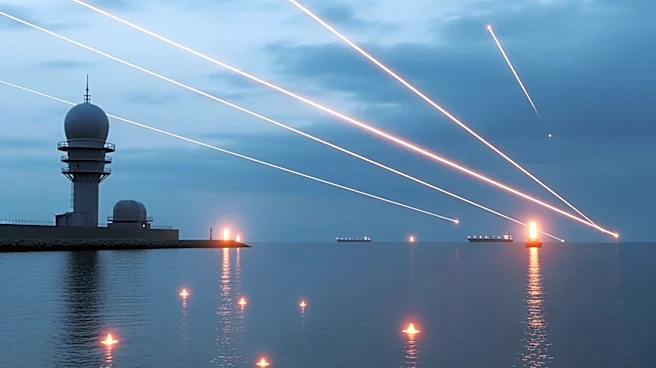
target all significant sites in Iran within two weeks. Meanwhile, Iran has responded to a U.S. proposal for peace talks through Pakistani mediators, emphasizing that dialogue does not equate to surrender. The situation is further complicated by Israeli military actions and threats from Iran's Revolutionary Guard Corps to target U.S. sites if Iranian vessels are attacked. Additionally, incidents involving unidentified aircraft and drone attacks in the region have heightened security concerns.
Why It's Important?
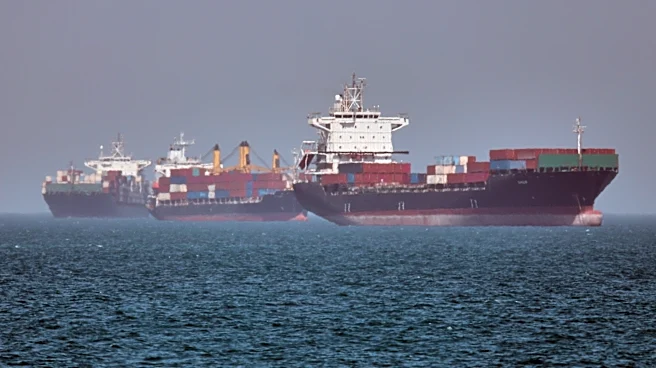
The ongoing conflict has significant implications for regional stability and global security. The U.S.-Iran tensions could affect international oil markets, given the strategic importance of the Strait of Hormuz. The conflict also poses risks to global trade routes and could lead to broader military engagements involving other nations. The involvement of key players like Israel and the potential for escalation highlight the fragile nature of peace in the region. The situation demands careful diplomatic navigation to prevent further deterioration and to explore avenues for conflict resolution.
What's Next?
The international community will likely continue diplomatic efforts to de-escalate tensions, with potential mediation by countries like Pakistan. The U.S. and its allies may increase military readiness in the region, while Iran could seek to strengthen its alliances. The outcome of ongoing negotiations and military actions will be crucial in determining the future trajectory of the conflict. Observers will watch for any shifts in U.S. foreign policy or changes in Iran's strategic approach.