








What's Happening?
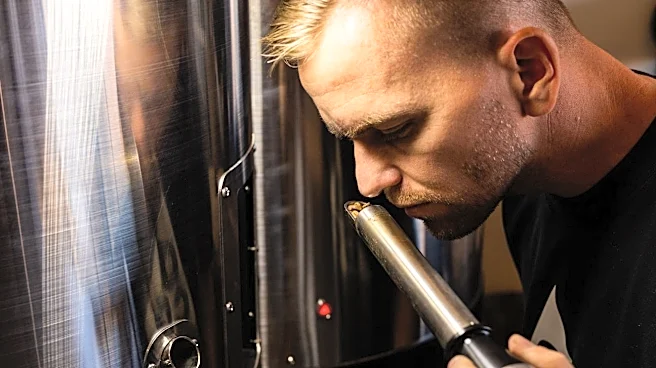
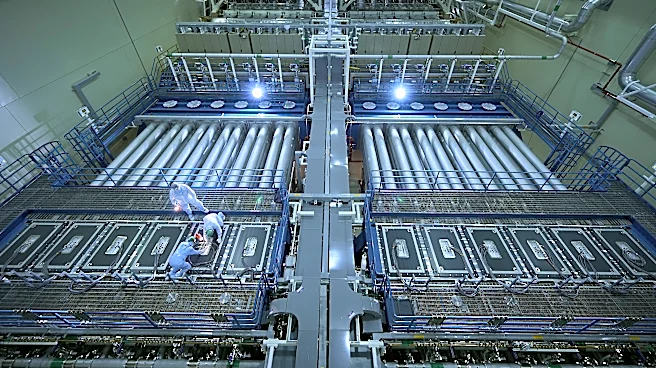
Cryonics facilities, such as Alcor Life Extension Foundation in Scottsdale, Arizona, are preserving legally deceased individuals at ultra-low temperatures with the hope of future revival. This process involves rapidly cooling the body or brain after death
to minimize damage, with the mantra being 'time to temperature.' While cryopreservation of cells, embryos, and some tissues with recovery of function is routinely achieved in medicine, the revival of cryopreserved humans has never been demonstrated. Scientists in the field acknowledge that current cryopreservation techniques are not yet sufficient for human recovery. The concept is often likened to a 'lifeboat' offering a chance, rather than a guarantee, for a second life, with members typically funding the process through life insurance.
Why It's Important?
The practice of cryonics highlights a significant intersection of advanced science, ethical considerations, and the human desire for extended life. While direct human revival remains speculative, the underlying cryopreservation research has tangible and immediate benefits for medicine. Advances in organ cryopreservation, for instance, could revolutionize organ transplantation by allowing organs to be stored for weeks instead of hours. This would enable perfect matches, reduce organ rejection, and save numerous lives currently lost due to the limited viability of donor organs. The growing acceptance and research in this area could shift scientific and public perception, moving cryonics from a fringe concept to a more recognized field of scientific inquiry with broader medical applications.
What's Next?
Future developments in cryonics will likely focus on improving vitrification methods and achieving reversible biostasis for larger biological structures. Ongoing research in organ cryopreservation, such as the successful storage and transplantation of human-scale pig kidneys, indicates a path toward longer-term preservation of complex organs. The establishment of initiatives like the XPRIZE in Organ Biostasis aims to accelerate breakthroughs in this area. As scientific understanding and technological capabilities advance, there may be a gradual shift in the scientific community's willingness to engage with and research whole-body cryopreservation, potentially leading to more sophisticated techniques and a clearer understanding of the feasibility of future human revival.
Beyond the Headlines
The pursuit of cryonics touches upon profound ethical and philosophical questions about life, death, and identity. The idea of preserving a person's brain, considered the 'hard drive' of memories and personality, raises questions about what constitutes a human being and whether consciousness can be truly preserved and restored. The financial models, primarily relying on life insurance, also highlight societal views on investing in uncertain future technologies. Furthermore, the distinction between cryonics (preservation of deceased individuals) and cryopreservation (preservation of cells/tissues) is crucial, as the latter has proven medical applications while the former remains a bet on future medical advancements. This field challenges conventional notions of mortality and pushes the boundaries of what is considered scientifically possible.