
What's Happening?
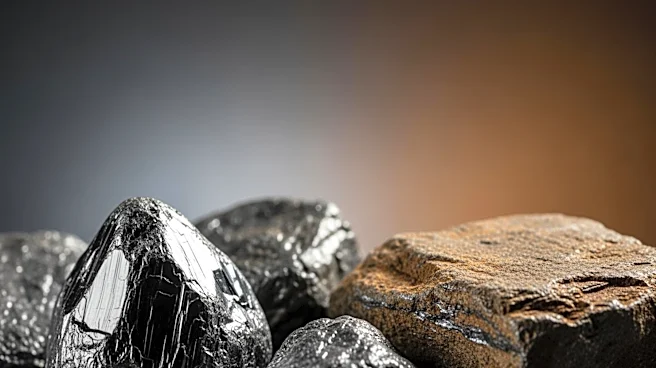
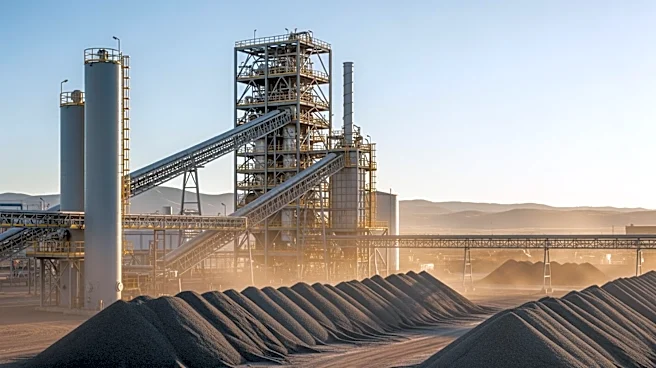
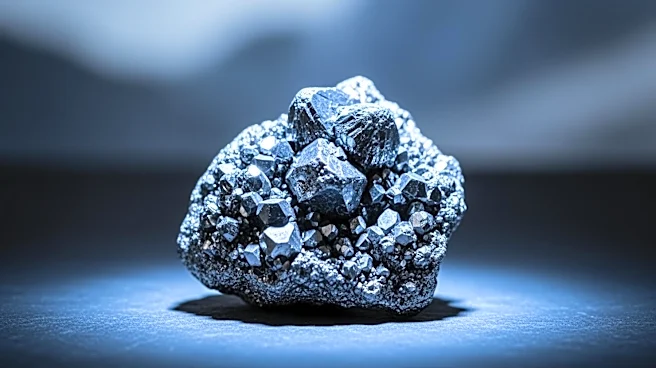
China and Myanmar are strengthening their cooperation in border trade and mining, focusing on rare earth elements critical to various industries. This collaboration is particularly significant as Myanmar supplies
a substantial portion of China's heavy rare earth ore imports, which are essential for electric vehicles, wind turbines, and consumer electronics. Despite political instability in Myanmar, including the 2021 military coup, trade routes have adapted, with ethnic armed organizations now controlling most overland trade routes. This cooperation underscores the strategic importance of Myanmar's rare earth resources to China's supply chain, as China controls about 90% of global rare earth refining capacity.
Why It's Important?
The deepening cooperation between China and Myanmar in the mining sector has significant implications for global supply chains, particularly for industries reliant on rare earth elements. As Myanmar is a major supplier of heavy rare earths to China, any disruption in this supply chain could impact global markets, affecting the production of electric vehicles, wind turbines, and defense systems. The geopolitical dynamics of this relationship also highlight China's strategic approach to securing critical resources, which could influence global economic and political landscapes. The environmental impact of mining in Myanmar, with minimal regulatory oversight, poses additional challenges for sustainable development.
What's Next?
Future developments in China-Myanmar cooperation could include formalizing governance by ethnic armed organizations, potentially stabilizing trade volumes. However, ongoing political instability and environmental concerns may lead to increased scrutiny from international stakeholders. China's continued engagement with Myanmar, despite its political challenges, suggests a focus on securing resource access over political conditions. This relationship may evolve with potential diplomatic efforts to normalize trade routes and infrastructure investments, but conflict resolution remains uncertain. The global demand for rare earth elements is likely to intensify, prompting further strategic maneuvers by China to maintain its supply chain dominance.
Beyond the Headlines
The environmental and ethical implications of rare earth mining in Myanmar are significant, with the extraction process causing soil and water contamination. The lack of regulatory oversight exacerbates these issues, raising concerns among sustainability-focused investors and manufacturers. The geopolitical leverage China gains from its control over rare earth supply chains could influence international relations, particularly with countries dependent on these resources. As global demand for critical minerals grows, the pressure to diversify supply sources may lead to increased investment in alternative mining regions, potentially reshaping the global rare earth market.