




What's Happening?
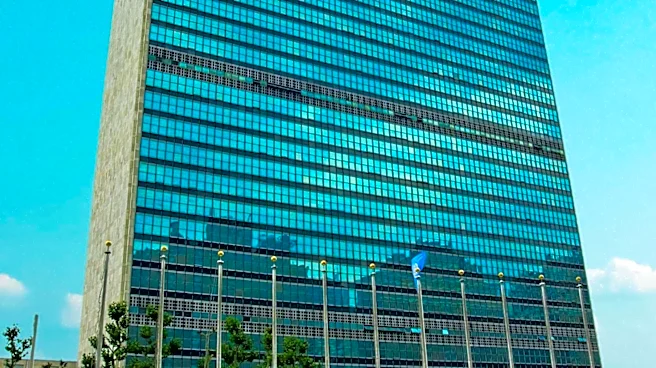
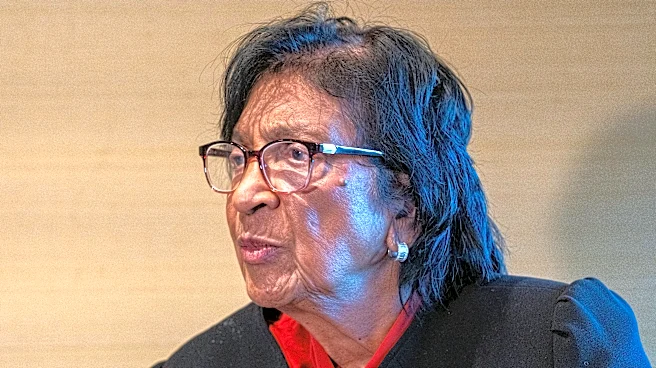
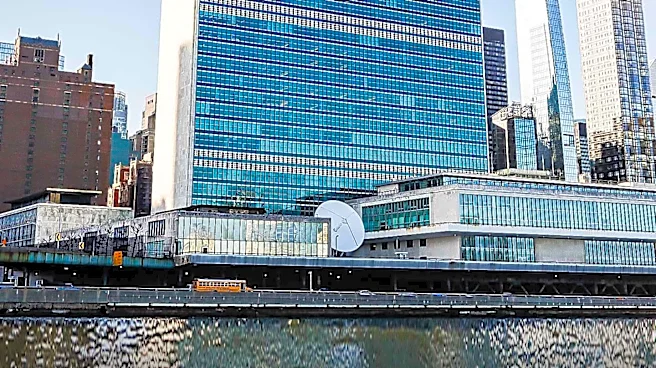
Mrs. Freda Bediako-Puni, Minister/Plenipotentiary from the Ghana Permanent Mission to the United Nations, delivered a statement at the 14th plenary meeting of the United Nations General Assembly's Third Committee. The debate focused on Agenda Item 65,
which concerns the 'Report of the Human Rights Council.' Ghana aligned itself with the statement of the African Group and then spoke in its national capacity, emphasizing its commitment to the Human Rights Council's mandate. Ghana highlighted that the Council's credibility relies on principles of universality, objectivity, non-selectivity, and non-politicization, which should guide the scrutiny of human rights concerns. The statement underscored the mutually reinforcing nature of peace and security, development, and human rights, asserting that progress in one area depends on progress in the others. Ghana, having served three previous terms on the Council, expressed its intention to seek re-election to continue its contributions, seeking support from Member States to advance a Council that bridges differences, strengthens accountability, and delivers tangible improvements in people's lives.
Why It's Important?
Ghana's address to the UN General Assembly's Third Committee is important as it reaffirms the commitment of a significant African nation to the principles of human rights and international cooperation. For the U.S., Ghana's stance on the Human Rights Council's credibility—stressing universality, objectivity, and non-politicization—resonates with broader international efforts to ensure the Council remains an effective and impartial body. The U.S. has historically engaged with the Human Rights Council, sometimes critically, regarding its focus and perceived biases. Ghana's emphasis on the interconnectedness of peace, security, development, and human rights reflects a holistic approach to global challenges that aligns with many U.S. foreign policy objectives. Ghana's bid for re-election to the Council signifies its continued desire to play an active role in shaping global human rights discourse, which can influence the international norms and standards that the U.S. also navigates and promotes.
What's Next?
Ghana will continue its efforts to secure re-election to the Human Rights Council, seeking support from UN Member States. If re-elected, Ghana will likely continue to advocate for the principles of universality, objectivity, and non-politicization within the Council's work. The Third Committee will continue its deliberations on the Human Rights Council's report and other agenda items related to human rights and social issues. The outcomes of these discussions and Ghana's potential re-election could influence future resolutions and actions taken by the Human Rights Council, impacting how human rights issues are addressed globally. This includes potential implications for international cooperation on human rights, the scrutiny of human rights situations in various countries, and the development of international human rights standards.
Beyond the Headlines
Ghana's statement reflects a broader global conversation about the effectiveness and impartiality of international human rights bodies. The call for universality, objectivity, and non-politicization addresses long-standing criticisms and debates surrounding the Human Rights Council's operations. This emphasis suggests a desire to move beyond selective targeting of certain states and towards a more consistent application of human rights standards worldwide. For the U.S., understanding these dynamics is crucial for its engagement with multilateral institutions and its own human rights diplomacy. The interconnectedness of peace, security, development, and human rights, as highlighted by Ghana, points to a comprehensive approach to global governance that recognizes the root causes of conflict and instability. This perspective can inform U.S. foreign aid, development initiatives, and security strategies, promoting a more integrated and sustainable approach to international relations.