




What's Happening?
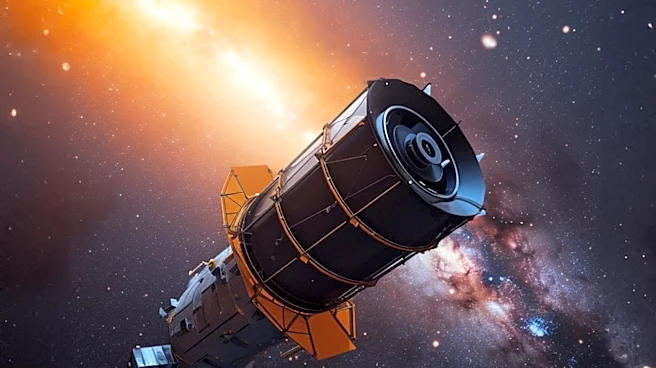
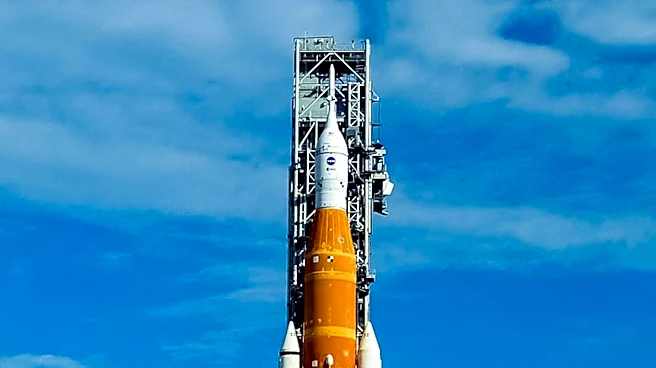
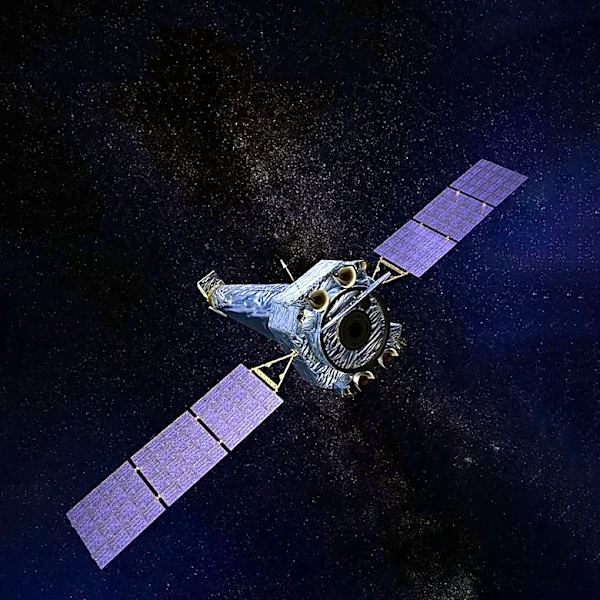
A Northrop Grumman Pegasus XL rocket successfully launched a mission to reboost NASA's Neil Gehrels Swift Observatory, which is in a decaying orbit. The launch took place after several delays due to weather and technical issues. The mission involves the Link
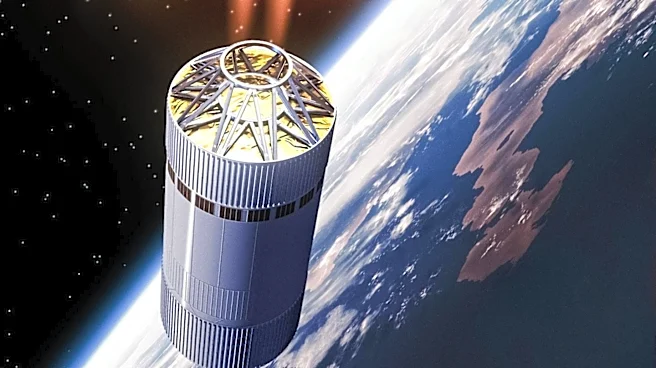
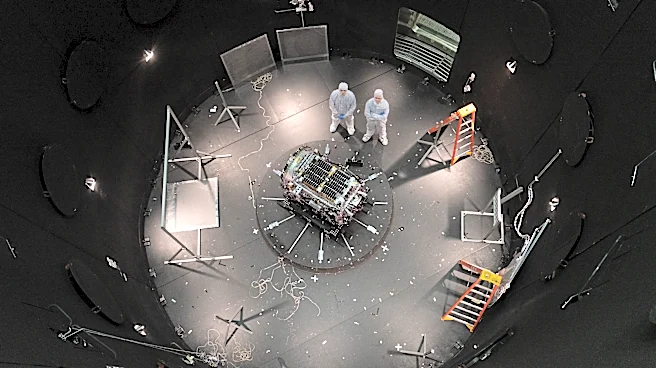
spacecraft, developed by Katalyst Space under a $30 million NASA contract, which aims to extend the life of the Swift Observatory by raising its orbit. The Link spacecraft will perform in-orbit checks before approaching Swift to determine the best locations for its robotic arms to grapple the observatory. If successful, the mission will extend Swift's operational life, allowing it to continue its valuable astrophysics work.
Why It's Important?
The Swift reboost mission is significant as it represents a 'high-risk, high-reward' effort to extend the life of a spacecraft not designed for servicing. Success could set a precedent for future missions, potentially including the Hubble Space Telescope, which faces similar orbital decay issues. The mission highlights the potential for satellite servicing technology to prolong the operational life of valuable scientific instruments, thereby maximizing the return on investment for space missions. This could lead to cost savings and extended scientific research capabilities for NASA and the broader space industry.
What's Next?
Following the successful launch, Katalyst Space will conduct in-orbit checks of the Link spacecraft before it approaches the Swift Observatory. The reboost process, if successful, will take approximately three months, after which Swift will resume its scientific operations. The mission's outcome could influence future decisions regarding the servicing of other aging satellites, including the Hubble Space Telescope. Northrop Grumman has expressed openness to future Pegasus launches, indicating potential for continued use of this launch system for responsive space missions.