
What's Happening?
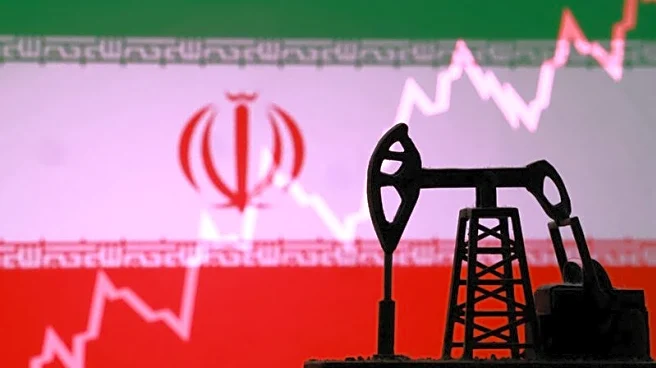
China is closely observing the ongoing conflict involving Israel, the United States, and Iran, primarily due to its significant economic reliance on Iranian energy. The conflict has seen Israel and the U.S. conducting strikes in Iran, with Tehran responding
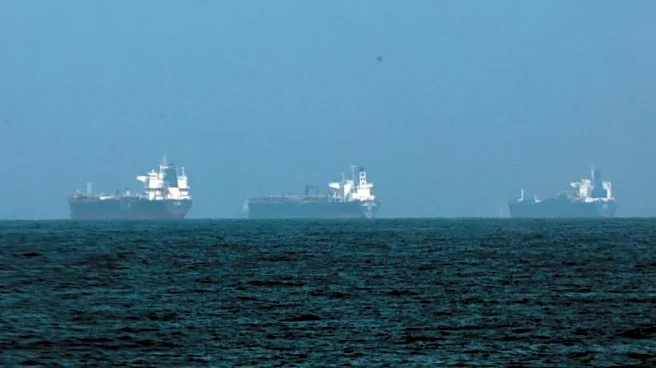
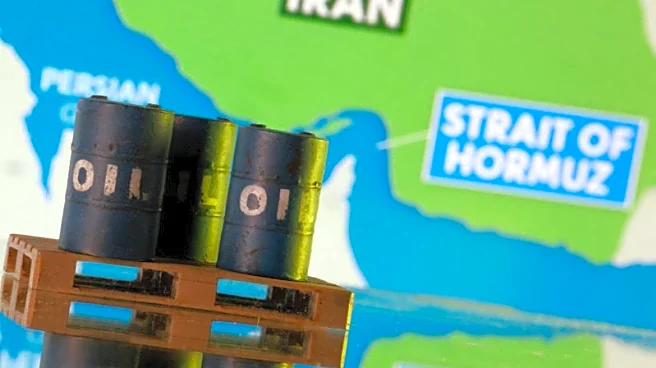
by targeting Gulf states and oil infrastructure. China, which purchases approximately 90% of Iran's oil, is concerned about the stability of its energy supplies. The oil is often acquired through indirect routes to bypass international sanctions, allowing China to buy at discounted rates. Any disruption in these supplies could force China to purchase oil at higher prices, impacting its manufacturing sector. Additionally, the Strait of Hormuz, a critical passage for global oil shipments, is a major concern for China, as half of the oil passing through is destined for Chinese ports.
Why It's Important?
The conflict poses significant economic risks for China, potentially increasing production costs and threatening economic stability. Beyond economic concerns, the situation offers China a strategic opportunity to reshape its global image. While the U.S. is perceived by some as relying on military force, China is positioning itself as a defender of international law and multilateral institutions. This stance is particularly aimed at the Global South, where there is often skepticism towards Western dominance. The conflict also tests global alliances and the stability of energy markets, with China seeking to advance its ambition of a multipolar global order.
What's Next?
China is likely to continue its diplomatic efforts to maintain stability in the region while safeguarding its energy interests. It may also increase its humanitarian assistance to Iran, although there are no indications of direct military support. The situation could influence China's strategic decisions regarding Taiwan and its broader foreign policy. As the conflict unfolds, China will need to balance its economic interests with its global diplomatic strategy, potentially leveraging its role in international forums to advocate for peaceful resolutions.
Beyond the Headlines
The conflict raises broader questions about international law and the use of force, with potential implications for other global conflicts, such as Russia's war in Ukraine. Legal experts warn that justifying military strikes on self-defense grounds could set precedents for future conflicts. China's response to the situation may also influence its relationships with other countries and its role in international organizations like BRICS and the Shanghai Cooperation Organization, which Iran is a part of.