




What's Happening?
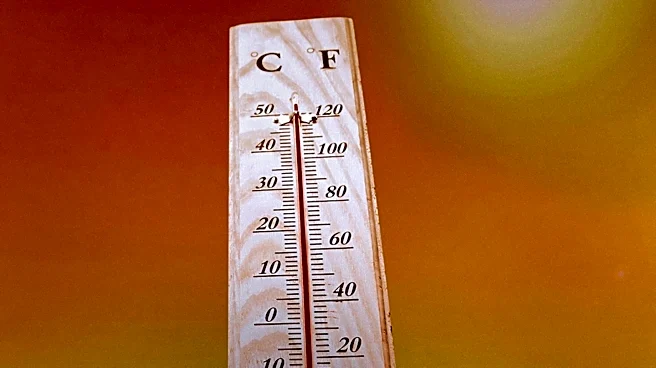
Over 1,200 health professionals and researchers from 27 European countries have signed an open letter urging European institutions to implement stronger political commitment, increased investment, and binding measures to safeguard public health from extreme
heat. This initiative, led by the Planetary Health Alliance Europe Regional Hub, builds upon the European Declaration on Heat and Health, which was published in August 2026 with support from 129 organizations. The open letter will be formally submitted on December 10, ahead of the Environment Council's initial stance on the proposed European Climate Resilience Law. The proposal, introduced by the European Commission on October 27, is currently under consideration by the European Parliament and the Council. According to Josep Maria Antó, Research Professor at the Barcelona Institute for Global Health (ISGlobal), existing national and EU initiatives have been insufficient in preventing high heat-related mortality. The signatories are calling for binding adaptation measures and dedicated funding to translate scientific evidence into action and prevent further loss of life.
Why It's Important?
The call for urgent action highlights the significant human and economic consequences of extreme heat in Europe. The summer of 2026 was recorded as the hottest in Western Europe, leading to substantial implications for human health. Heat-related mortality disproportionately affects vulnerable populations, including older individuals, women, those with chronic conditions, outdoor workers, and people living alone in overheated housing. Economically, extreme heatwaves and wildfires in 2026 resulted in an approximate 1% reduction in the European Union's Gross Domestic Product (GDP), amounting to around €180 billion. The health and scientific community is advocating for a radical shift in ambition and resources, proposing six key measures. These include moving towards operative emergency responses, adopting a European Heat–Health Action Plan, closing gaps in occupational heat protection, guaranteeing safe indoor temperatures for vulnerable people, accelerating mitigation as health policy, and centering health, evidence, and equity in all EU climate policy. These measures aim to protect healthcare facilities, establish emergency adaptation funds, and implement integrated health warning systems.
What's Next?
The open letter, signed by over 1,200 health professionals, is scheduled for formal submission on December 10. This submission will precede the Environment Council's initial position on the proposed European Climate Resilience Law. The European Commission's proposal, introduced on October 27, is currently under review by both the European Parliament and the Council. The signatories are committed to preparing heat plans linked to warning levels, protecting their staff, and prioritizing those most at risk. The ongoing consideration of the European Climate Resilience Law by legislative bodies suggests that the demands outlined in the open letter could influence future policy decisions regarding climate adaptation and public health protection in the European Union. The continued advocacy from the health and scientific community aims to ensure that binding measures and dedicated funding are put in place to address the escalating threat of extreme heat.
Beyond the Headlines
The collective action by over 1,200 health professionals underscores a growing recognition of extreme heat as a critical, cross-border health threat that demands a coordinated and legally binding response. The emphasis on vulnerable populations highlights the ethical dimension of climate change, where existing societal disadvantages are exacerbated by environmental factors. The economic impact, estimated at €180 billion in 2026, reveals the substantial financial burden of inaction, extending beyond direct health costs to broader economic productivity. The call to phase out fossil fuel subsidies and redirect resources towards clean energy and resilient health systems points to a fundamental shift in policy priorities, linking climate mitigation directly to public health outcomes. This initiative also suggests a potential long-term shift in how climate policy is formulated, with health professionals playing a more central role in advocating for and shaping environmental regulations, moving beyond traditional environmental advocacy groups.