
What's Happening?
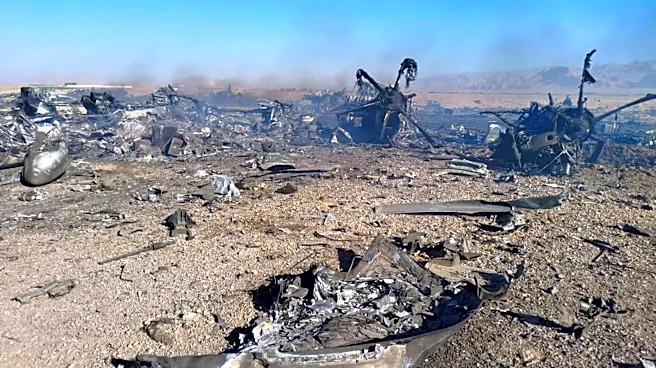
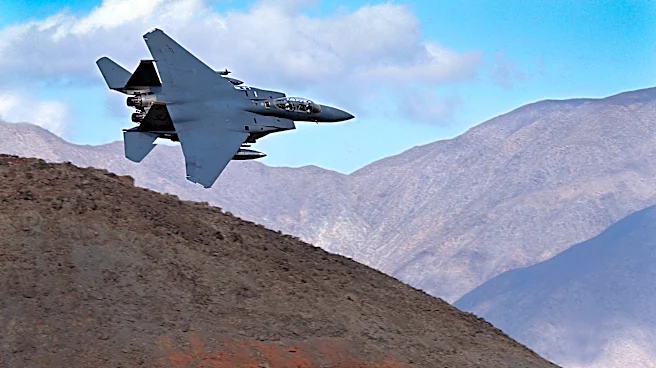
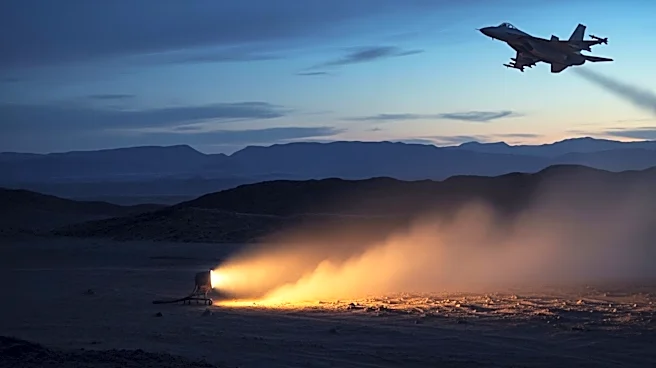
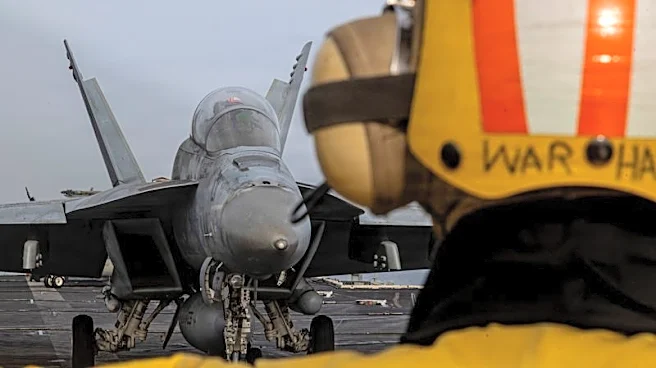
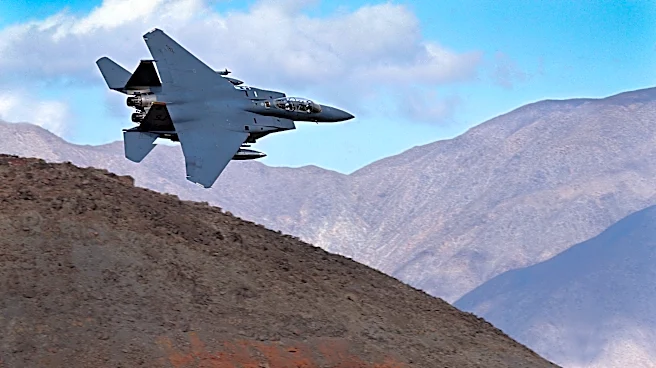
President Trump confirmed that a missing U.S. service member, whose F-15 jet was shot down over Iran, has been successfully rescued by U.S. forces. The operation involved dozens of aircraft and was described as a significant military achievement. The rescued service member sustained
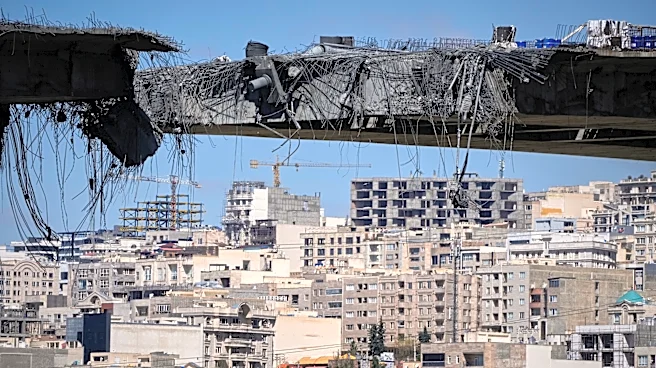
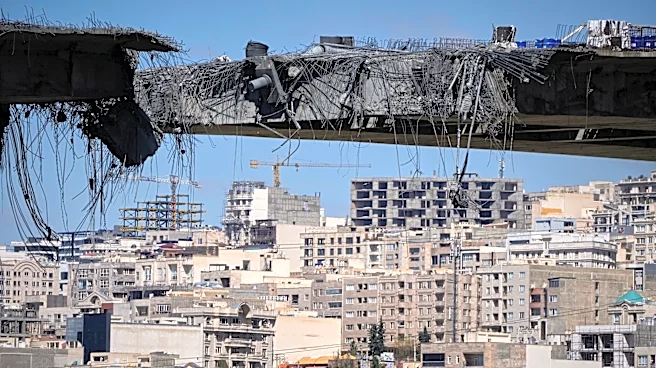
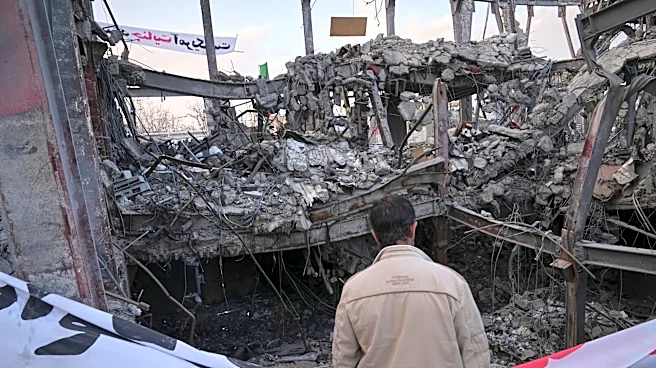
injuries but is expected to recover. This development comes amid heightened tensions between the U.S. and Iran, with Iranian military officials issuing threats of severe retaliation if infrastructure strikes continue. President Trump had previously warned Iran to reopen the Strait of Hormuz or face severe consequences. Fires have been reported in Bahrain and Kuwait, and the UAE is responding to a missile threat, indicating escalating regional instability.
Why It's Important?
The rescue operation underscores the U.S. military's capability and commitment to retrieving its personnel, even in hostile territories. This event highlights the ongoing geopolitical tensions in the Middle East, particularly concerning the strategic Strait of Hormuz, a critical chokepoint for global oil shipments. The situation could have significant implications for international oil markets and regional security. The U.S. and Iran's exchange of threats could lead to further military confrontations, affecting global diplomatic relations and potentially involving other nations in the conflict. The successful rescue also serves as a morale booster for U.S. military forces and their families.
What's Next?
The situation remains volatile, with potential for further military engagements if diplomatic solutions are not reached. The U.S. may increase its military presence in the region to deter further aggression from Iran. Diplomatic efforts may intensify to de-escalate tensions and negotiate the reopening of the Strait of Hormuz. The international community will likely monitor the situation closely, with possible interventions from global powers to prevent a broader conflict. The U.S. government may also face domestic pressure to justify its actions and ensure the safety of its military personnel abroad.