


What's Happening?
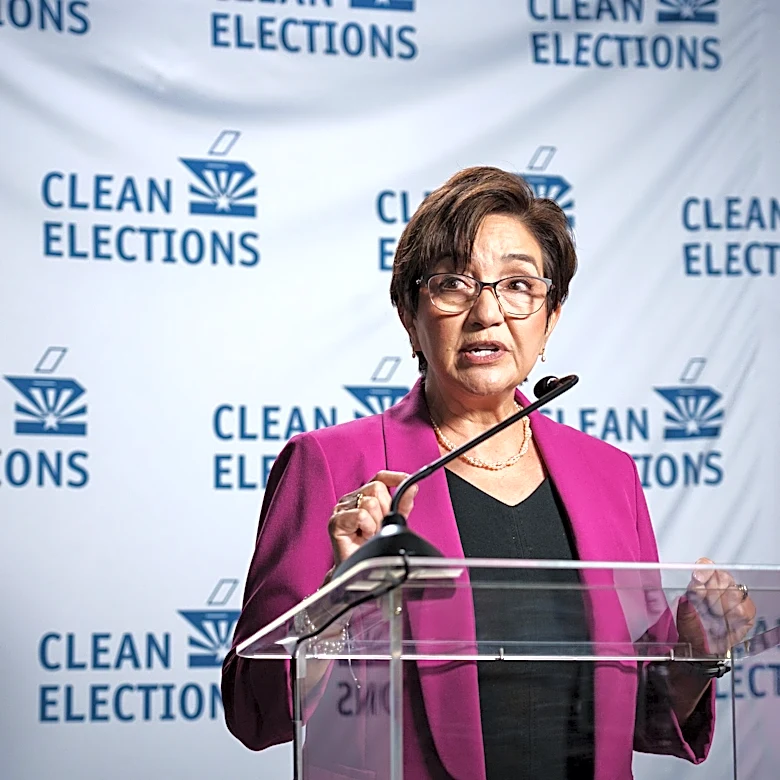
U.S. Rep. Mariannette Miller-Meeks, who is seeking reelection in Iowa’s 1st Congressional District, stated that manufacturing workers in Iowa are benefiting from tax cuts enacted through the 2025 One Big Beautiful Bill Act. This announcement was made
during an event at Cemen Tech in Indianola on August 28, 2026, where she also received an endorsement from the U.S. Chamber of Commerce. Miller-Meeks was joined by Micah Olson, Midwest regional manager for the U.S. Chamber of Commerce, and JD Davis, vice president of public policy for the Iowa Association of Business and Industry. She is running for her fourth term in Congress against Democratic candidate Christina Bohannan, who was also her opponent in the 2022 and 2024 elections. The event underscored her focus on economic policies impacting Iowa's industrial sector.
Why It's Important?
The endorsement from the U.S. Chamber of Commerce and the Iowa Association of Business and Industry signals significant support for Representative Miller-Meeks from key business organizations, which can be influential in her reelection campaign. Her emphasis on the 2025 GOP tax cuts directly addresses the economic concerns of manufacturing workers in Iowa, a crucial demographic in the state. By linking these tax cuts to tangible benefits for the workforce, Miller-Meeks aims to demonstrate her commitment to fostering a favorable economic environment for businesses and their employees. This strategy is particularly important in a competitive congressional district, as it highlights her legislative achievements and their perceived positive impact on local industries and job stability.
What's Next?
As U.S. Rep. Miller-Meeks continues her campaign for reelection in Iowa’s 1st Congressional District, she is expected to further emphasize the economic benefits of the 2025 GOP tax cuts and her support for manufacturing workers. Her campaign will likely leverage the endorsements from the U.S. Chamber of Commerce and the Iowa Association of Business and Industry to bolster her standing among business owners and employees. The upcoming election will see her face Democratic candidate Christina Bohannan, and the economic impact of legislative actions, such as tax cuts, will likely remain a central theme in their debates and public appearances. Voters will assess the real-world effects of these policies as they decide on their representation in Congress.
Beyond the Headlines
The discussion around the 2025 GOP tax cuts and their impact on manufacturing workers extends beyond immediate economic benefits, touching upon broader policy debates regarding tax reform and its long-term effects on the U.S. economy. Such policies often spark debate about their fairness, their contribution to national debt, and their actual effectiveness in stimulating job growth and investment versus primarily benefiting corporations and the wealthy. The endorsement from powerful business lobbies like the U.S. Chamber of Commerce also highlights the intricate relationship between political campaigns and corporate interests, raising questions about the influence of such endorsements on policy-making and electoral outcomes. This dynamic is a recurring feature in U.S. politics, shaping legislative priorities and economic narratives.