








What's Happening?
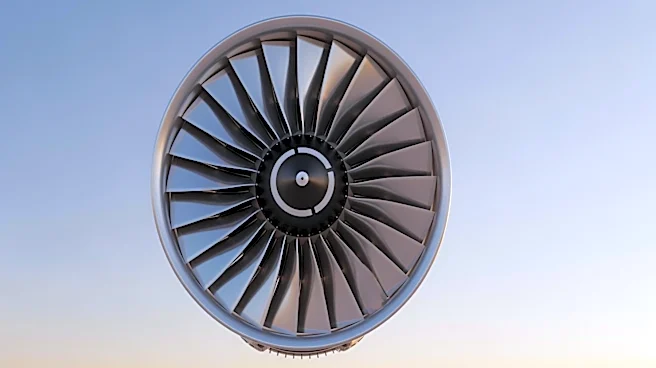
KLM Cityhopper, the regional division of KLM, is set to recommission its Embraer 195-E2 jets after resolving technical issues with their Pratt & Whitney engines. The airline had previously stored four of these aircraft at Twente airport in the Netherlands
due to durability problems with the PW1900G and similar GTF powerplants. With engine availability returning to normal, KLM Cityhopper is gradually bringing these jets back into service. The recommissioning process involves removing protective measures, reinstalling systems, and modifying the aircraft, including fitting wi-fi. The aircraft will undergo comprehensive checks and airworthiness inspections, with the process expected to take about two months. Two of the four jets are currently undergoing recommissioning, while the remaining pair are anticipated to return to service by autumn.
Why It's Important?
The recommissioning of Embraer 195-E2 jets by KLM Cityhopper marks a significant recovery in the aviation sector, particularly in addressing technical challenges associated with Pratt & Whitney engines. This development is crucial for KLM Cityhopper as it enhances fleet availability and operational capacity, potentially improving service reliability and customer satisfaction. The resolution of engine issues also reflects advancements in aviation technology and maintenance practices, which are vital for the industry's growth and sustainability. Airlines and manufacturers alike stand to benefit from improved engine performance and reliability, which can lead to reduced operational costs and increased competitiveness in the market.
What's Next?
As KLM Cityhopper recommissions its Embraer 195-E2 jets, the airline will focus on ensuring the successful integration of these aircraft into its operational fleet. This involves completing the necessary modifications and inspections to meet airworthiness standards. The recommissioning process may set a precedent for other airlines facing similar technical challenges, encouraging them to adopt effective maintenance and storage strategies. Additionally, the aviation industry will likely monitor the performance of these jets closely, assessing the long-term reliability of the Pratt & Whitney engines. Stakeholders, including airlines and engine manufacturers, may collaborate to further enhance engine durability and performance.