









What's Happening?
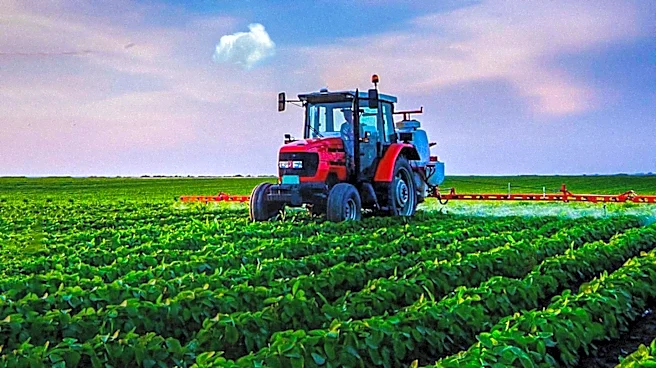
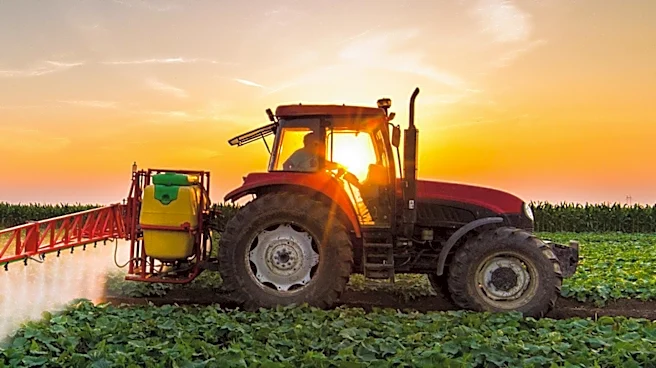
North Dakota has long been a leader in agriculture, with its farmers playing a crucial role in feeding the nation. The state's agricultural success is deeply rooted in the cooperative movement that began in the late 19th and early 20th centuries. Farmers
in North Dakota faced challenges such as distance from markets and high shipping costs, which led them to form cooperatives to improve their economic standing. These cooperatives allowed farmers to market their own grain, improve pricing, and gain more control over their operations. Over time, the cooperative movement expanded beyond grain marketing to include fuel, supplies, and infrastructure, with organizations like Farmers Union Oil Companies, now known as Cenex, providing essential inputs at competitive prices. This cooperative spirit also extended into civic life, with farmers participating in local governance and advocating for policies that supported their communities.
Why It's Important?
The cooperative movement in North Dakota has had a lasting impact on both the state's economy and its civic life. By organizing cooperatives, farmers were able to retain more value within the state and support local producers, leading to a resilient agricultural economy. This model of cooperation not only strengthened the economic position of farmers but also fostered a sense of community and shared responsibility. The success of these cooperatives has positioned North Dakota as a national leader in agriculture, consistently ranking high in the production of various commodities. Furthermore, the cooperative model has influenced policy and governance, with organizations like the North Dakota Farmers Union advocating for producers and strengthening rural communities. This legacy of cooperation continues to shape the state's economic and civic identity, ensuring that agriculture thrives for future generations.
What's Next?
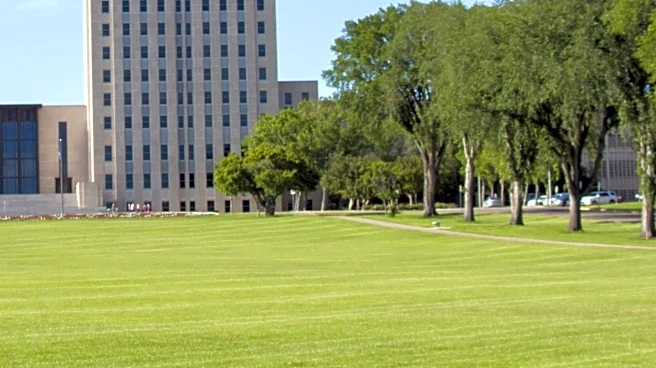
As North Dakota celebrates its role in the 250th anniversary of the United States, the state is encouraged to reflect on its agricultural heritage and the cooperative spirit that has defined its history. The ND250 Commission, administered by the State Historical Society of North Dakota, is leading the commemoration with projects and events that honor the state's rich history and diverse people. This celebration provides an opportunity for North Dakotans to recognize the contributions of agriculture to the state's economy and civic life, and to consider how the cooperative model can continue to support the state's future growth and development.
Beyond the Headlines
The cooperative movement in North Dakota highlights the importance of community-driven economic strategies and the role of civic engagement in shaping policy and governance. By participating in cooperatives, farmers not only improved their economic standing but also contributed to the development of strong, resilient communities. This model of cooperation serves as an example of how collective action can address economic challenges and promote social cohesion. As the state looks to the future, the principles of cooperation and civic duty that have defined its past will continue to play a crucial role in shaping its economic and social landscape.