



What's Happening?
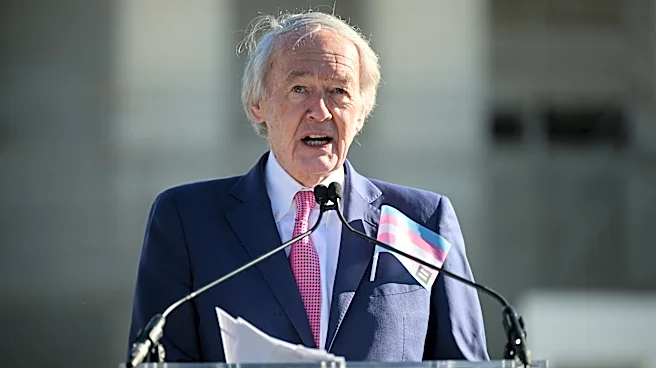
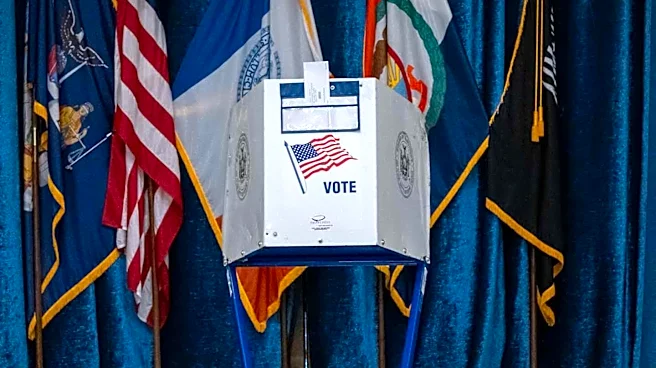
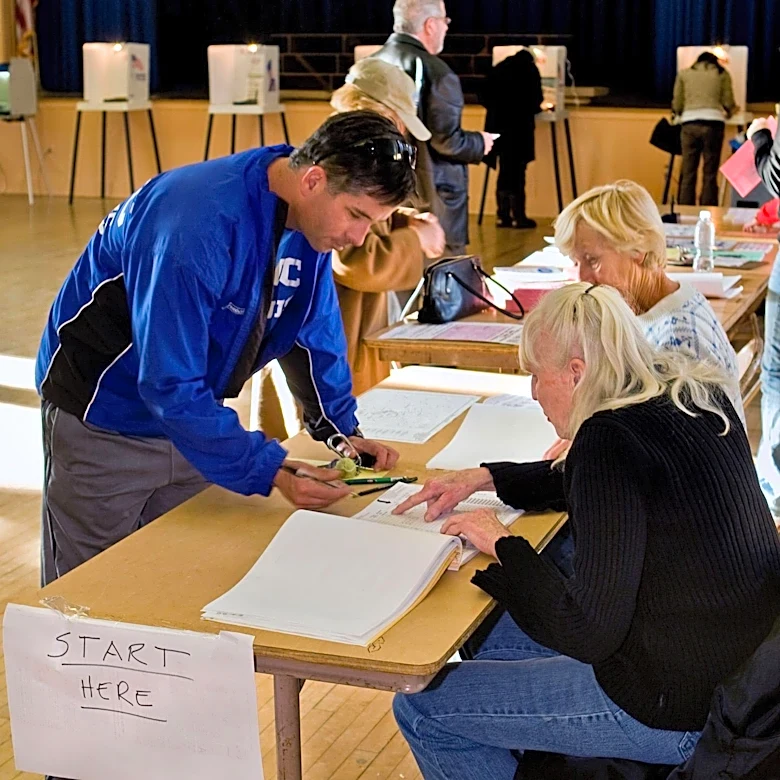
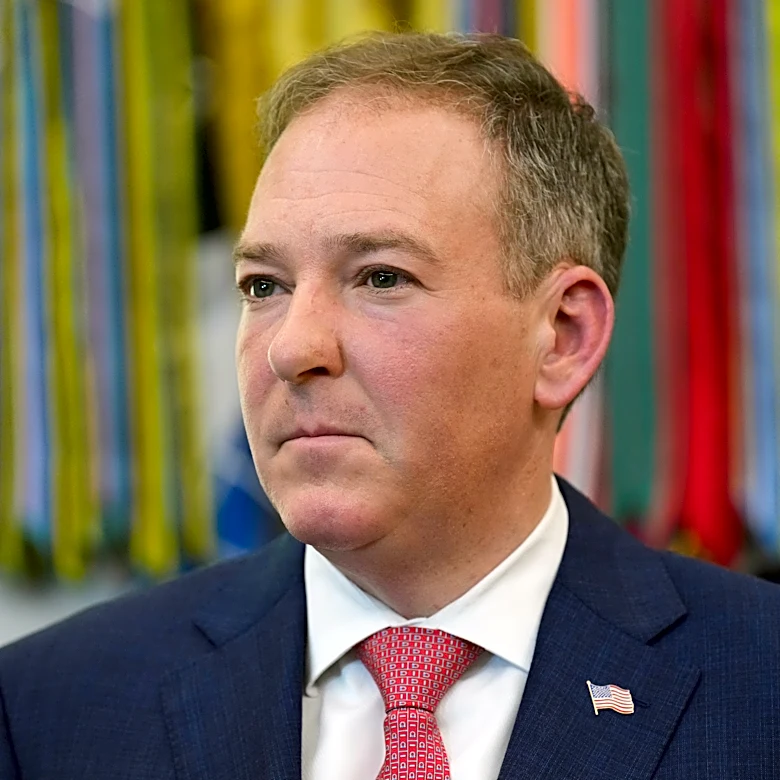
U.S. Representative Katherine Clark has successfully secured the Democratic nomination for her seat in the recent Massachusetts primary election. This victory means she will advance to the general election in November. Other notable Democratic nominees
moving forward include U.S. Senator Ed Markey, State Representative David Rogers, and District Attorney Marian Ryan. In the Democratic primary for the Governor’s Council, Mara Dolan earned the nomination. On the Republican side, Michael Minogue received the nomination for governor. The primary also saw close races, such as the state senate contest between incumbent Sen. William Brownsberger and Daniel Lander, which is heading for a recount due to a narrow three-vote difference.
Why It's Important?
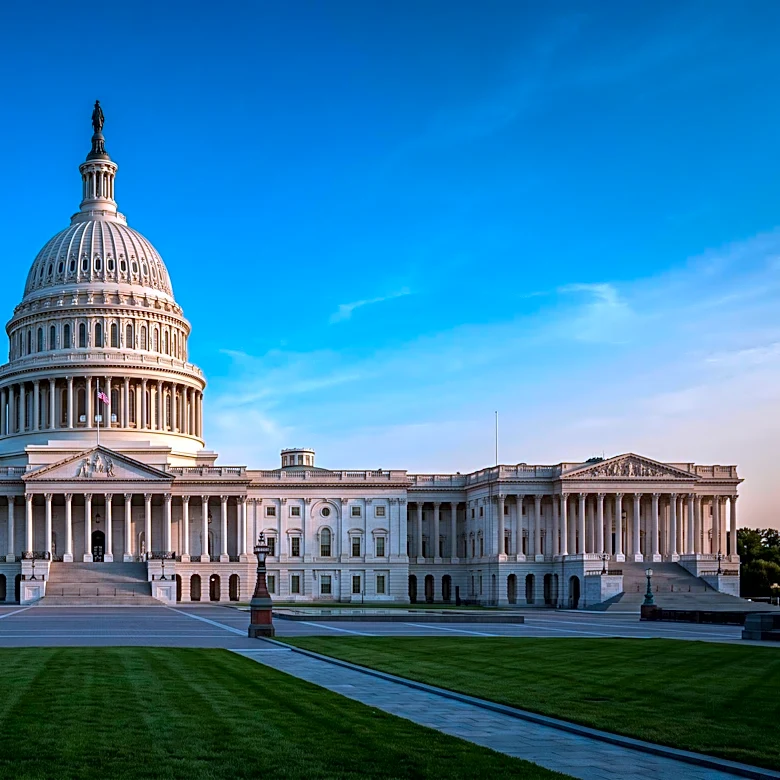
Representative Katherine Clark's successful primary nomination is significant as it positions her for another term in Congress, where she currently serves as House Minority Whip and a member of the House Appropriations Committee. Her continued presence in these influential roles ensures stability in Democratic leadership and ongoing advocacy for her constituents' interests, particularly concerning federal funding and community development initiatives. The broader primary results in Massachusetts, including the nominations of Senator Markey and other state-level officials, indicate the prevailing political landscape and voter preferences within the state. The close state senate race heading to a recount underscores the importance of every vote and the meticulous process of ensuring electoral accuracy, reflecting the democratic commitment to fair and transparent elections. These outcomes collectively shape the political representation of Massachusetts at both federal and state levels, influencing policy decisions that affect residents' daily lives, from economic development to social programs.
What's Next?
Following her primary victory, Representative Katherine Clark will now focus on the general election campaign leading up to November. She will likely engage in public appearances, debates, and outreach efforts to secure her seat against any Republican or independent challengers. The outcomes of other primary races, particularly the ongoing recount in the state senate contest, will finalize the slate of candidates for the general election, setting the stage for broader electoral battles across Massachusetts. The general election will determine the final composition of the state's congressional delegation and state legislative bodies, which will in turn influence legislative priorities and policy directions for the coming term. Campaign activities will intensify, with candidates articulating their platforms and engaging with voters on key issues relevant to the state and the nation.
Beyond the Headlines
The primary election results in Massachusetts, including Representative Clark's nomination, reflect the ongoing political trends and voter sentiments within the state. The success of incumbent Democrats like Clark and Senator Markey suggests a degree of stability in the state's political leanings, while the close races highlight areas of contention and evolving voter dynamics. The process of recounts, as seen in the state senate primary, underscores the foundational importance of electoral integrity and the meticulous efforts required to ensure that every vote is accurately counted. This commitment to precision in elections is crucial for maintaining public trust in democratic institutions. Furthermore, the nominations for various offices, from federal representatives to local district attorneys, collectively shape the governance and policy landscape that directly impacts citizens' lives, from economic opportunities to legal frameworks. These elections are not just about individual candidates but about the collective direction and values of the communities they represent.