








What's Happening?
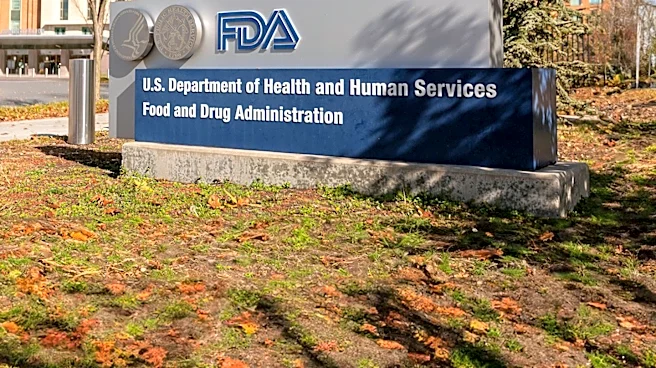
The Food and Drug Administration's (FDA) Pharmacy Compounding Advisory Committee recently voted in favor of allowing pharmacies to compound multiple unapproved peptides. This decision, made over a two-day meeting, has been met with enthusiasm from the
wellness industry but has raised concerns within the medical community. Peptides, which are short strings of amino acids, are popular for their purported health benefits, including muscle recovery and longevity. Despite their popularity, the FDA had previously banned certain peptides due to potential safety risks, such as heart toxicity and infections. The committee's vote included approval for peptides like BPC-157 and TB-500, while others like emideltide were excluded. The FDA is not obligated to follow the committee's recommendations, but the decision highlights a growing demand for these compounds.
Why It's Important?
The committee's decision could significantly impact the wellness and pharmaceutical industries by potentially increasing the availability of peptides. This move may benefit businesses involved in peptide production and distribution, as well as consumers seeking alternative health treatments. However, it also raises safety concerns, as many peptides lack sufficient clinical testing to prove their efficacy and safety. The decision underscores a tension between market demand and scientific validation, with potential risks for consumers who may turn to unregulated sources if access is restricted. The outcome of this decision could influence future regulatory approaches to similar compounds.
What's Next?
The FDA will now consider the committee's recommendations, which could lead to changes in the regulation of peptide compounding. Stakeholders, including health professionals and industry representatives, may engage in further discussions to address safety concerns and market demands. The decision could prompt increased scrutiny of the peptide market and potentially lead to more comprehensive regulatory frameworks. Additionally, the wellness industry may see a surge in interest and investment in peptide-related products, depending on the FDA's final ruling.