



What's Happening?
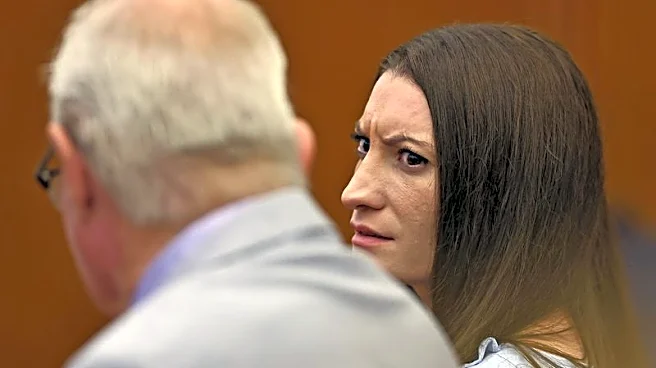
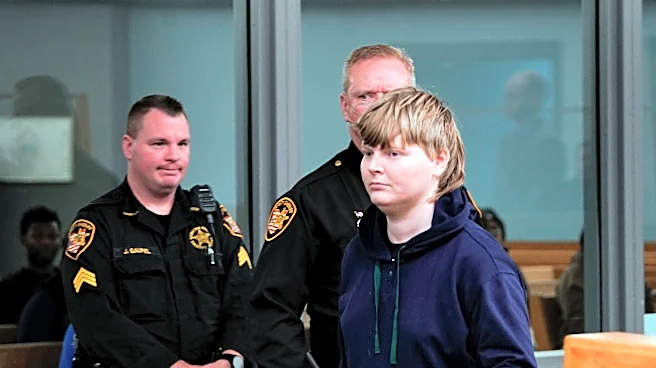
A Russell County jury has found Dustin Owens guilty of murdering his 7-month-pregnant girlfriend, Amber Compton, and their unborn daughter, 'Amelia Elizabeth.' The verdict was delivered after 2.5 hours of deliberation, concluding a nine-day trial. During
the trial, the jury heard testimony from law enforcement officers involved in the investigation, various experts, and personal friends and family members of both Owens and Compton. Following the guilty verdict, Amber Compton's parents, Rachel and Larry Compton, expressed relief, stating they had waited four years for this moment. Rachel Compton has since committed to advocating for increased domestic violence resources in the region, hoping to engage Vice President JD Vance due to his personal history as a survivor of domestic violence.
Why It's Important?
This conviction underscores the severe legal consequences for acts of domestic violence, particularly when they result in the death of a pregnant woman and her unborn child. The case highlights the ongoing struggle against domestic violence and the critical need for support systems for victims. Rachel Compton's intention to advocate for more resources, potentially reaching the Vice President, signifies a broader effort to influence public policy and increase awareness at a national level. The involvement of a high-profile political figure like Vice President Vance, who has publicly acknowledged his experience with domestic violence, could bring significant attention and potentially new funding or legislative action to address this pervasive issue across the U.S. The outcome of this trial and the subsequent advocacy efforts could serve as a catalyst for change in how domestic violence cases are handled and how victims are supported.
What's Next?
Following the guilty verdict, Dustin Owens will face sentencing. The legal process will continue with the court determining the appropriate punishment for his crimes. Concurrently, Rachel Compton plans to intensify her advocacy for domestic violence resources. Her efforts will likely involve engaging with local and national political figures, including potentially Vice President JD Vance, to push for policy changes and increased funding for support services. This advocacy could lead to public campaigns, legislative proposals, and greater public discourse on the issue of domestic violence and its impact on families and communities. The case may also influence future legal interpretations and protections for unborn children in similar violent crime scenarios.
Beyond the Headlines
The tragic death of Amber Compton and her unborn daughter, and the subsequent conviction of Dustin Owens, brings to light the profound and often hidden issue of violence against pregnant women. This case highlights the dual victimhood in such crimes, where both the mother and the unborn child are targets. The legal system's recognition of the unborn child as a victim, as indicated by the 'Amelia Elizabeth' reference, reflects evolving legal and societal perspectives on fetal personhood in the context of violent crime. Beyond the immediate legal outcome, the case's emotional impact on the Compton family and Rachel Compton's subsequent activism could foster a deeper societal conversation about the systemic failures that allow domestic violence to persist and the need for more comprehensive preventative measures and support networks. It also raises ethical considerations regarding the protection of vulnerable individuals within domestic relationships.