






What's Happening?
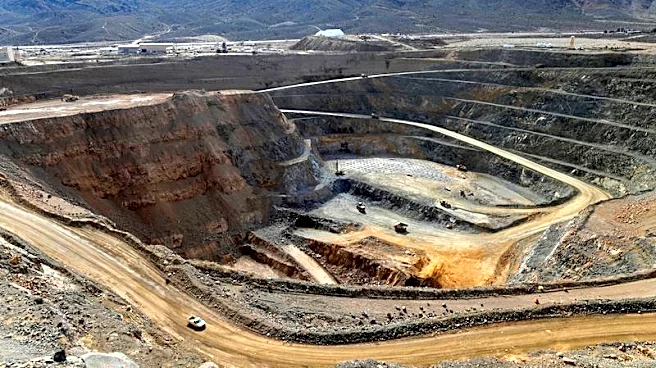
Africa is facing a significant industrial paradox, as highlighted by a report from the United Nations Conference on Trade and Development (UNCTAD). Despite possessing vast reserves of critical minerals like cobalt, manganese, and lithium, the continent
remains heavily reliant on external supply chains for industrial products. Africa's manufacturing value added was $351 billion in 2025, yet it accounts for less than 2% of global manufacturing output. The report emphasizes the need for Africa to develop its industrial capacity to process these resources domestically, which could transform its economic landscape.
Why It's Important?
The industrial paradox in Africa has far-reaching implications for the continent's economic development and global competitiveness. By continuing to export raw materials without processing them locally, Africa misses out on significant economic benefits and job creation opportunities. Developing domestic industrial capacity could lead to greater economic independence, increased value addition, and enhanced integration into global value chains. This shift is crucial for Africa to leverage its natural resources effectively and achieve sustainable economic growth. The report calls for strategic investments in infrastructure, technology, and skills development to support this transformation.