
What's Happening?
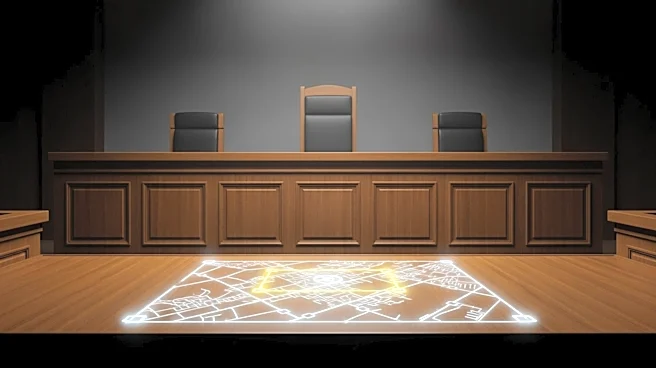
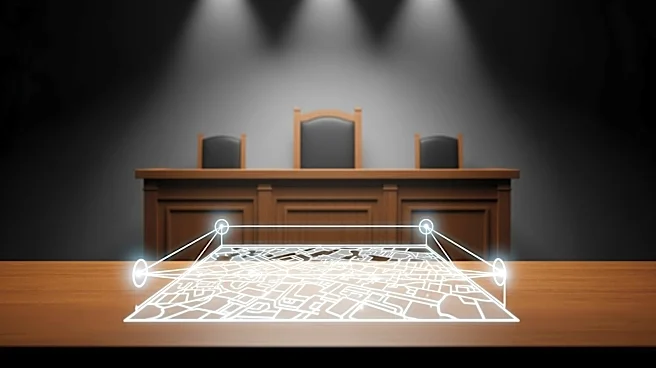
The US Supreme Court is currently deliberating on the legality of geofence search warrants, which allow law enforcement to request location data from tech companies like Google for all users in a specific
area at a specific time. This practice has been challenged by civil liberties advocates who argue that it infringes on the privacy rights of individuals not connected to any crime. The case under review involves Okello Chatrie, accused of bank robbery in 2019, where police used Google data to identify suspects. The outcome of this case could significantly impact digital privacy rights in the United States.
Why It's Important?
The Supreme Court's decision on geofence warrants could redefine digital privacy rights in the US, affecting how law enforcement agencies gather data in criminal investigations. If deemed unconstitutional, it could limit the ability of police to use broad data collection methods, thereby protecting the privacy of individuals. Conversely, a ruling in favor of geofence warrants could enhance law enforcement capabilities but at the potential cost of individual privacy rights. This decision will have implications for tech companies, law enforcement practices, and civil liberties.
What's Next?
The Supreme Court is expected to announce its decision by the end of the year. Depending on the outcome, there could be legislative responses or further legal challenges. Tech companies may also adjust their data-sharing policies in anticipation of the ruling. Civil liberties groups are likely to continue advocating for stronger privacy protections, while law enforcement agencies may seek alternative methods for data collection if the practice is restricted.