
What's Happening?
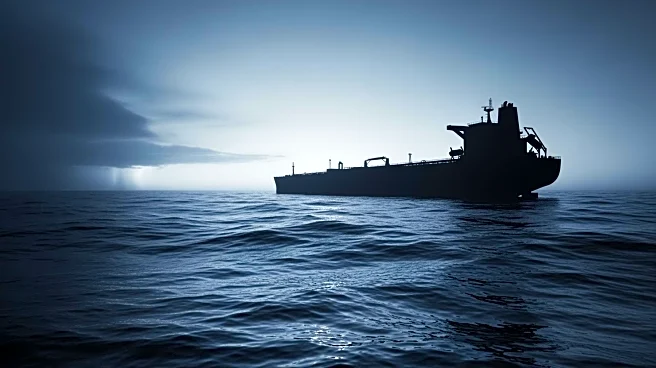
The United States is actively pursuing an oil tanker that fled when the Coast Guard attempted to board it. This incident marks the third time in less than two weeks that the U.S. has targeted oil tankers
associated with Venezuela. The U.S. government is increasing pressure on Venezuela's oil exports, which are a significant part of the country's economy. The pursuit of the tanker is part of broader efforts to enforce sanctions and restrict Venezuela's ability to trade oil internationally.
Why It's Important?
The U.S. actions against Venezuelan oil tankers are part of a larger strategy to exert economic pressure on the Venezuelan government. By targeting these tankers, the U.S. aims to limit Venezuela's oil revenue, which is crucial for the country's economy. This move could further strain U.S.-Venezuela relations and impact global oil markets, potentially affecting oil prices and supply chains. The situation also highlights the ongoing geopolitical tensions between the U.S. and Venezuela, with potential implications for international diplomacy and trade.
What's Next?
The U.S. is likely to continue its enforcement of sanctions against Venezuela, potentially leading to more confrontations at sea. The Venezuelan government may seek to circumvent these restrictions by finding alternative routes or partners for its oil exports. International reactions could vary, with some countries supporting the U.S. stance while others may criticize it as an overreach. The situation could also prompt discussions within international bodies about the legality and impact of such unilateral actions.