






What's Happening?
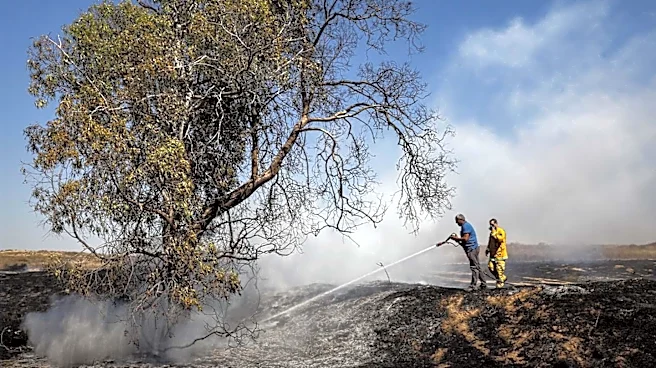
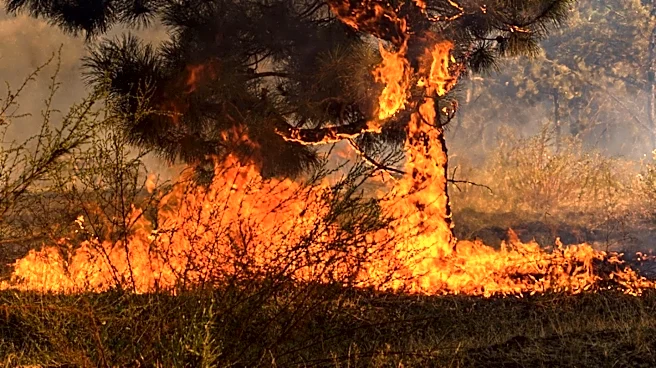
In a recent meeting, Colorado's Drought Task Force revealed that the state's four largest wildfires have resulted in a financial burden of $266 million for taxpayers. These wildfires have been exacerbated by ongoing drought conditions, which have intensified
the frequency and severity of fires in the region. The task force's report highlights the significant economic impact of these natural disasters on state resources and the need for effective management strategies to mitigate future risks.
Why It's Important?
The financial implications of the wildfires underscore the broader challenges faced by states like Colorado in managing natural disasters amid changing climate conditions. The $266 million cost represents a substantial strain on public funds, which could otherwise be allocated to infrastructure, education, or healthcare. This situation highlights the urgent need for comprehensive policies that address both immediate disaster response and long-term climate resilience. The economic burden also emphasizes the importance of federal and state collaboration in funding and implementing effective wildfire management and prevention strategies.
What's Next?
Moving forward, Colorado may need to explore additional funding sources and partnerships to enhance its wildfire management capabilities. This could involve increased investment in fire prevention technologies, community education programs, and infrastructure improvements to better withstand future wildfires. The state might also advocate for more federal support to address the financial challenges posed by these natural disasters. Additionally, the task force's findings could prompt legislative action to strengthen environmental policies and resource management practices.