





What's Happening?
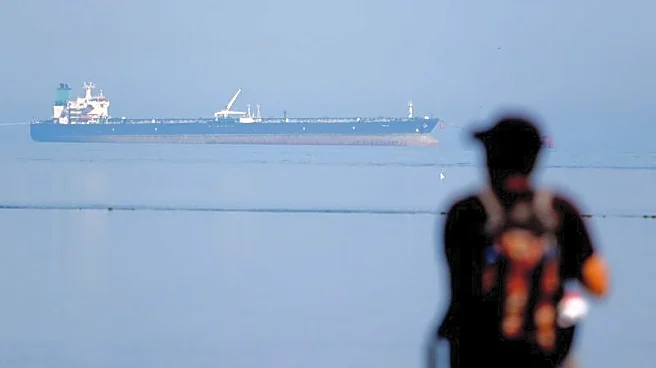
The European Union is preparing to approve a €90 billion loan to Ukraine, contingent upon the resumption of Russian oil transit to Hungary through the Druzhba pipeline. The pipeline, which was damaged in a Russian strike in January, is crucial for Hungary's
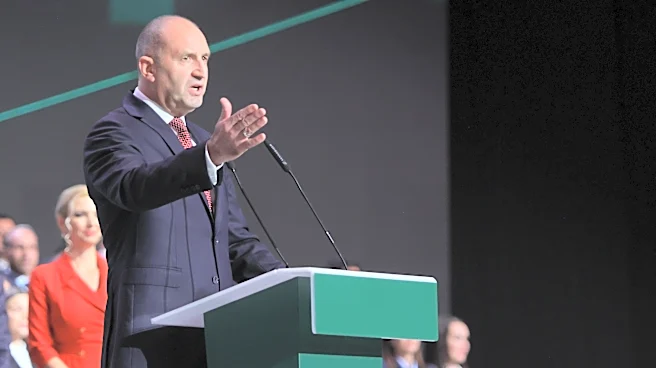
energy supply. Hungary's outgoing Prime Minister Viktor Orbán has stated that he will lift his veto on the loan once the oil flow is restored. The Cypriot presidency of the Council of the EU has placed the loan approval on the agenda for a meeting of the EU's 27 ambassadors. Ukrainian President Volodymyr Zelenskyy announced that the pipeline would be operational by the end of the month, with a strong possibility of resuming flows before the meeting.
Why It's Important?
The approval of this loan is significant for Ukraine as it continues to face economic challenges amid ongoing conflict with Russia. The financial support from the EU would provide much-needed economic stability and aid in reconstruction efforts. For Hungary, the resumption of oil transit is critical for its energy security, highlighting the interconnected nature of European energy dependencies. The decision also underscores the EU's strategic balancing act between supporting Ukraine and managing its energy relations with Russia. The outcome of this decision could influence future EU policies on energy security and financial aid to conflict-affected regions.
What's Next?
If the oil transit resumes as expected, Hungary is likely to drop its opposition, leading to the loan's approval. This would enable Ukraine to receive the funds in May, providing a financial boost to its economy. The EU will continue to monitor the situation closely, as any delays in oil transit could impact the loan approval process. Additionally, the EU may need to consider further measures to ensure energy security and support for Ukraine, depending on the evolving geopolitical landscape.