









What's Happening?
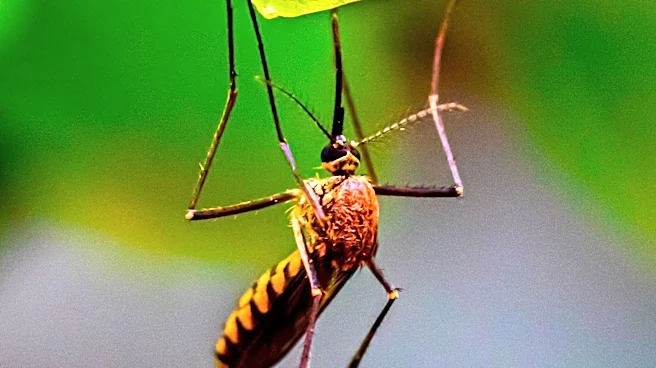
West Nile virus cases are reaching unprecedented levels in Southern California, with the virus spreading faster than it has in the past two decades. According to the Greater Los Angeles County Vector Control District, the number of infected mosquitoes
has significantly increased, with 27 cases reported in Los Angeles County alone. The virus, which is the most common mosquito-borne disease in California, poses a serious threat to humans and wildlife. Individuals over 50 and those with preexisting health conditions are at higher risk of severe symptoms, which can include high fever, paralysis, and even coma. Federal public health officials have noted that the number of human cases reported in June is the highest since 2004.
Why It's Important?
The rapid spread of the West Nile virus in Southern California highlights a significant public health challenge. The increase in cases could strain local healthcare systems, especially if severe cases requiring hospitalization rise. The virus's early and aggressive spread this year could lead to more widespread outbreaks, affecting not only public health but also local economies, as resources may need to be diverted to control efforts. The situation underscores the importance of preventive measures and public awareness to mitigate the impact of the virus.
What's Next?
Local health officials are urging residents to take precautions to avoid mosquito bites, such as using repellents and wearing protective clothing. Efforts to control mosquito populations are likely to intensify, with increased surveillance and public education campaigns. The situation will require ongoing monitoring to assess the effectiveness of these measures and to adjust strategies as needed. Public health agencies may also collaborate with community organizations to enhance outreach and support for vulnerable populations.