


What's Happening?
A 62-year-old man, who had been suffering from a range of serious health issues including kidney failure, diabetes, hypertension, and severe migraines, discovered a hidden sleep disorder with the help of an AI tool named Claude. For 25 years, specialists
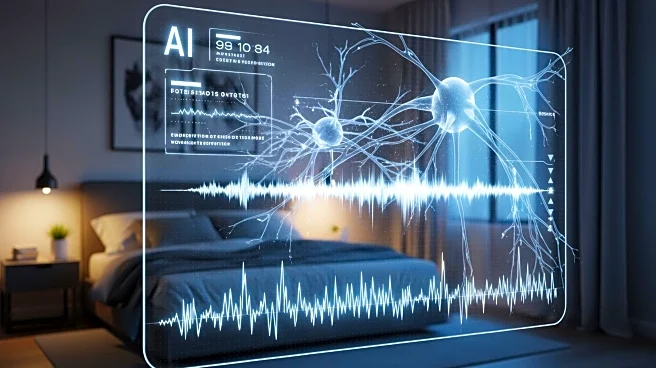
had failed to connect his symptoms, which included severe headaches occurring only at night when lying down. The man's nephew compiled his medical history and consulted Claude, an AI assistant by Anthropic, which suggested the possibility of obstructive sleep apnea. This condition, characterized by airway collapse during sleep, was confirmed through a sleep study, leading to treatment with a CPAP machine. The AI's ability to synthesize information across multiple medical specialties highlighted a potential pattern that had been overlooked by human specialists.
Why It's Important?
This case underscores the potential of AI in healthcare to identify patterns and connections that may be missed in traditional medical settings. AI tools like Claude can assist in organizing fragmented medical histories and suggesting possible diagnoses, which can lead to earlier interventions and improved patient outcomes. While AI is not a substitute for medical expertise, it can enhance the diagnostic process by providing a broader view of a patient's health. This development could lead to more integrated healthcare approaches, potentially reducing the time and cost associated with diagnosing complex conditions.
What's Next?
The successful use of AI in this case may encourage further integration of AI tools in healthcare settings, particularly for patients with complex, multi-faceted health issues. Medical professionals might increasingly rely on AI to assist in diagnosing conditions that span multiple specialties. However, the medical community will need to address ethical and practical considerations, such as ensuring AI recommendations are validated by clinical studies and maintaining patient privacy. The broader adoption of AI in healthcare could lead to significant changes in how medical information is processed and utilized.
Beyond the Headlines
The integration of AI in healthcare raises important questions about the future role of technology in medicine. While AI can provide valuable insights, it also challenges traditional medical practices and the role of specialists. The potential for AI to improve diagnostic accuracy and patient outcomes must be balanced with the need for human oversight and ethical considerations. As AI becomes more prevalent, healthcare systems will need to adapt to incorporate these tools effectively while ensuring that patient care remains the top priority.