





What's Happening?
The US Justice Department has taken steps to drop criminal charges against Indian billionaire Gautam Adani. This development marks a significant turn in a prolonged legal saga that posed a threat to the future of Adani's conglomerate. The charges were
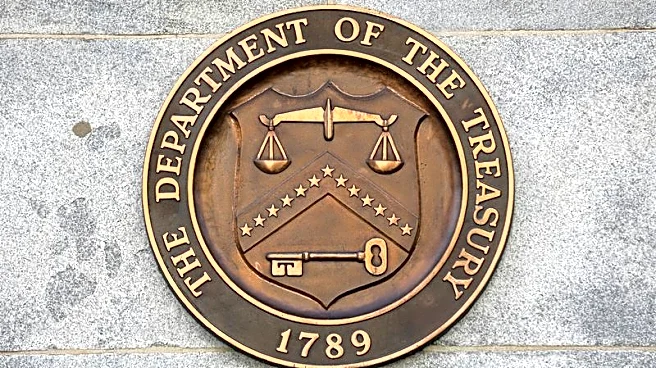
related to allegations of sanctions violations involving the purchase of liquefied petroleum gas from Iran. In conjunction with this, Adani Enterprises Ltd., the flagship company of the Adani Group, has agreed to pay $275 million to settle a probe by the Treasury Department’s Office of Foreign Assets Control. This settlement addresses the allegations of Iran sanctions violations, which have been a point of contention for the company.
Why It's Important?
The decision to drop charges against Gautam Adani is significant as it potentially removes a major legal hurdle for the Adani Group, allowing it to focus on its business operations without the overhang of criminal proceedings. The settlement with the Treasury Department also underscores the importance of compliance with international sanctions, particularly those involving Iran. For the US, this move may reflect a strategic decision to resolve complex international legal disputes through settlements rather than prolonged litigation. The resolution of these charges could have implications for US-India business relations, as well as for other multinational corporations navigating similar legal challenges.
What's Next?
With the criminal charges potentially being dropped, the Adani Group may now focus on rebuilding its reputation and business operations. The settlement could lead to increased scrutiny on the company's compliance practices, prompting it to enhance its internal controls to prevent future violations. Additionally, other companies facing similar allegations might look to this case as a precedent for negotiating settlements. The US government may continue to monitor the Adani Group's activities to ensure adherence to international sanctions, while also considering the broader implications for its foreign policy and trade relations.