





What's Happening?
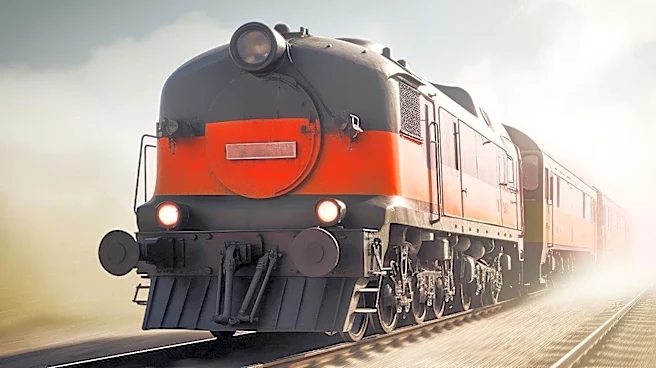
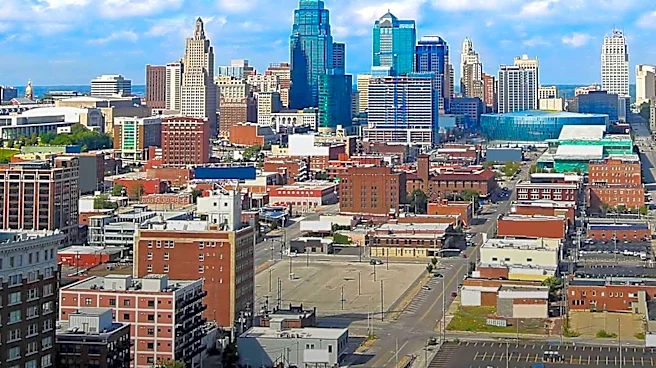
Leaders in Kansas City, Missouri, and Olathe, Kansas, are actively discussing the potential implementation of fixed rail transportation to connect the two cities. Kansas City Mayor Quinton Lucas has been investigating a commuter rail service between Olathe and Kansas City since
2020, with efforts gaining significant momentum over the past 18 months. Mayor Lucas envisions a commuter rail utilizing existing heavy rail lines, similar to Amtrak, to alleviate I-35 traffic. Conversely, Olathe Mayor Pro Tem Dean Vakas is advocating for a light rail system, comparing it to those in Minneapolis, Portland, or Phoenix, which he believes would be less expensive to implement by using new tracks on existing rights-of-way. Olathe Mayor John Bacon acknowledges the potential benefits of commuter rail but notes that the necessary research to justify the significant expense has not yet been conducted. Both types of fixed rail are being considered as alternatives to highway travel and options for non-drivers.
Why It's Important?
The potential development of a fixed rail system between Kansas City and Olathe carries significant implications for regional transportation, economic development, and urban planning. Such a project could drastically alter commuting patterns, reducing reliance on I-35 and potentially easing traffic congestion. Economically, improved public transit could stimulate growth in areas along the rail corridor, making both cities more accessible for residents and businesses. The choice between commuter rail and light rail has different cost structures and operational impacts, affecting funding models and the scope of service. Commuter rail, using existing freight lines, might face challenges with private rail companies regarding system access and operational impacts. Light rail, while potentially requiring new infrastructure, could offer greater flexibility in route planning and integration with urban development. The initiative reflects a broader trend in U.S. metropolitan areas seeking sustainable and efficient transportation solutions to accommodate growing populations and economic activity.
What's Next?
The immediate next steps involve further study and discussion among various stakeholders. Mid-America Regional Council Director of Transportation Ron Achelpohl suggests that previous studies from the late 1990s and 2013 on fixed rail would need to be revisited, considering changes in rail ownership, technology, and environmental planning. Mayor Lucas has engaged with the Missouri Department of Transportation (MoDOT), Kansas Department of Transportation (KDOT), and Amtrak, and has explored similar initiatives in other cities. KDOT has indicated it would be a project partner in an extensive planning process, coordinating with host railroads, Amtrak, local governments, and community stakeholders. MoDOT's formal engagement would typically begin once project plans are formally developed. Both Mayor Lucas and Mayor Pro Tem Vakas agree that a new study and more substantive discussions are crucial to making fixed rail a reality, with Mayor Lucas committed to pushing the idea even after his mayoral term concludes.
Beyond the Headlines
The debate over fixed rail in the Kansas City metro area highlights a fundamental challenge in modern urban development: balancing the need for efficient public transportation with complex logistical, financial, and political considerations. The discussion touches upon the ethical responsibility of city leaders to plan for future population growth and environmental sustainability by reducing carbon emissions from vehicle traffic. The involvement of private freight rail companies introduces a layer of complexity, as their primary business interests may not align with passenger rail expansion, necessitating intricate negotiations and potential infrastructure investments on their systems. Furthermore, the project could reshape the cultural perception of public transit in a region historically reliant on personal vehicles, potentially fostering a more interconnected and accessible metropolitan identity. The long-term success of such an endeavor would depend not only on its technical feasibility and funding but also on public acceptance and a sustained political will to overcome inherent challenges.