






What's Happening?
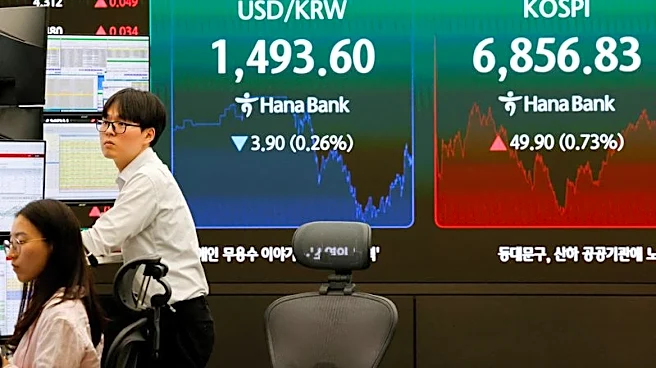
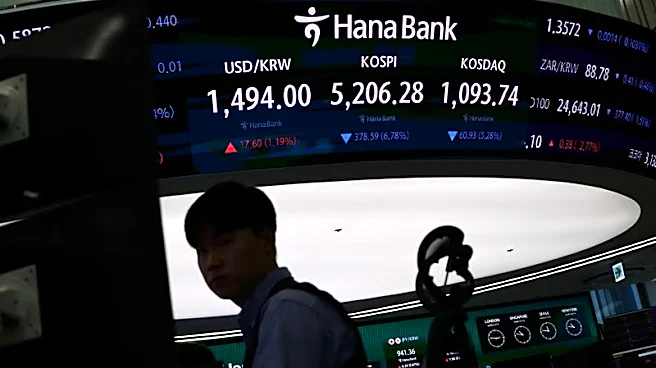
South Korea's stock market has experienced a significant decline, with the KOSPI index dropping by 12.6% before closing down 6%. This downturn follows a reduction in interest in chipmakers, which had previously benefited from AI investments. The market's
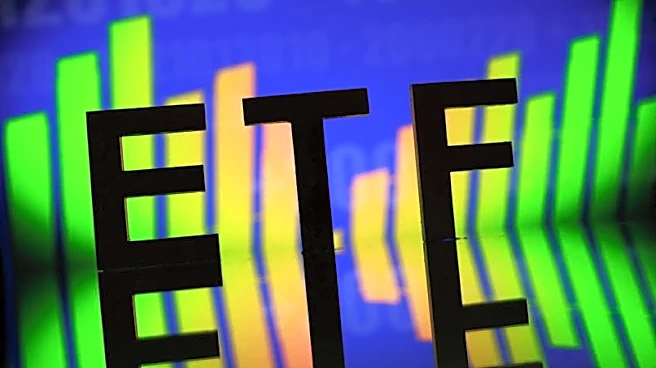
value has decreased by nearly 40% from its peak a month ago. Finance Minister Koo Yun-cheol has apologized for the introduction of single-stock leveraged ETFs, which have been linked to increased leveraged trading. The government is considering market stabilization measures, including curbs on leveraged products and higher trading costs, to address the crisis.
Why It's Important?
The decline in South Korea's stock market underscores the volatility associated with AI-driven investments, particularly in the technology sector. As AI continues to influence market dynamics, investors and regulators must navigate the challenges of managing leveraged trading and speculative investments. The situation highlights the need for robust regulatory frameworks to ensure market stability and protect investors. The response from South Korean authorities could serve as a case study for other countries facing similar challenges in balancing innovation with financial stability.
What's Next?
South Korean authorities are expected to implement further measures to stabilize the market, including individual investment limits and emergency market-stabilization steps. The government will likely continue to monitor the situation closely and adjust regulations as needed to prevent future market disruptions. Investors and financial institutions will be watching for signs of recovery and potential opportunities in the wake of the market's decline. The outcome of these efforts could influence global perceptions of AI-driven investments and their impact on financial markets.