

What's Happening?
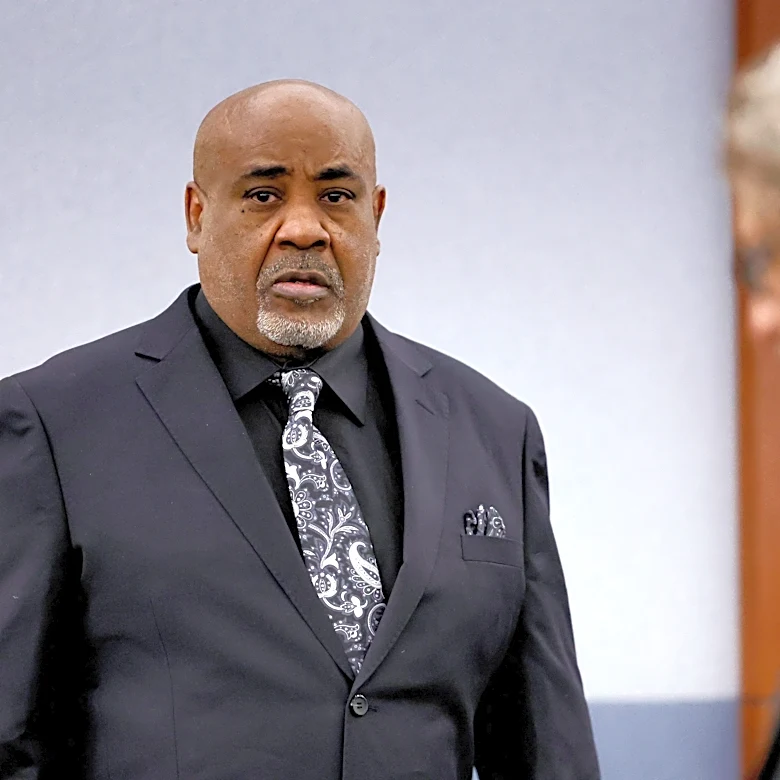
An appeals court has affirmed the use of rapper Bankroll Freddie's lyrics as evidence in his drug trafficking and gun possession trial. The Eighth Circuit Court of Appeals upheld the 12-and-a-half-year prison sentence for Freddie Gladney III, also known
as Bankroll Freddie. His conviction in 2024 was based on wiretapped phone calls, evidence from a traffic stop, and specific clips of his rap lyrics. Gladney's attorneys argued that the lyrics were part of an 'artist persona' and not autobiographical. However, the appellate judges unanimously ruled that the lyrics were 'probative to show Gladney’s knowledge of terminology that was alleged to be associated with the sale of marijuana.' The court noted that only specific, relevant lyrics were introduced, avoiding irrelevant or inflammatory content. This ruling comes amidst ongoing debate regarding the use of rap lyrics in criminal proceedings.
Why It's Important?
This ruling is significant as it reinforces the legal precedent for using artistic expression, specifically rap lyrics, as evidence in federal criminal trials. Critics argue that this practice can stifle artistic freedom and introduce racial bias into legal proceedings, as rap is a genre predominantly associated with Black artists. While several states have banned or limited the use of rap lyrics in local prosecutions, this decision highlights that such lyrics remain admissible in federal cases. The outcome could influence how artists create and perform, potentially leading to self-censorship to avoid legal repercussions. It also underscores the ongoing tension between freedom of expression and the legal system's interpretation of creative works as factual admissions, impacting the broader music industry and civil liberties advocates.
What's Next?
Bankroll Freddie's attorney, Bobby R. Digby II, is reportedly drafting a petition for further appellate review, indicating that the legal battle is likely to continue. This suggests that the debate over the admissibility of rap lyrics in court will persist, potentially reaching higher judicial levels. Concurrently, legislators have repeatedly introduced the RAP Act, a congressional bill aimed at banning the use of rap lyrics as evidence in trials. However, this bill has remained stalled on Capitol Hill, suggesting a slow and challenging path for legislative reform. The outcome of Gladney's further appeals and the progress of the RAP Act will be closely watched by legal experts, civil rights organizations, and the music community, as they will shape future legal standards for artistic expression.
Beyond the Headlines
The controversy surrounding the use of rap lyrics in criminal trials extends beyond individual cases, touching upon fundamental questions of artistic interpretation, racial bias, and the justice system. The legal system often struggles to differentiate between artistic narrative and literal confession, particularly in genres like rap that frequently employ hyperbole and fictional storytelling. This issue raises ethical concerns about how cultural context is understood and applied in legal settings. The disproportionate targeting of rap lyrics compared to other art forms also highlights potential systemic biases. A broader implication is the chilling effect this could have on creative expression, as artists might feel compelled to sanitize their work to avoid legal scrutiny, thereby undermining the authenticity and social commentary inherent in much of rap music. This ongoing legal battle could redefine the boundaries of free speech within artistic creation.