





What's Happening?
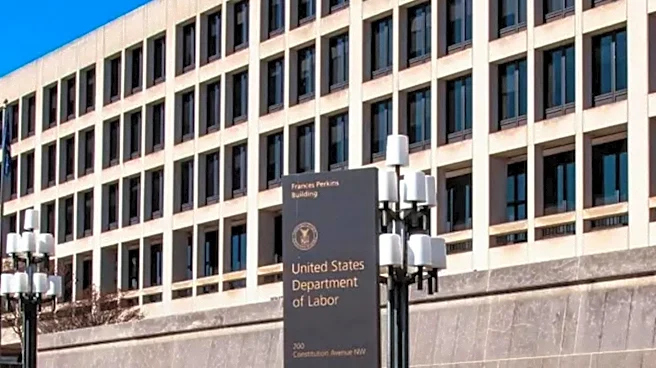
The U.S. Departments of Labor, Health and Human Services, and the Treasury have jointly announced a suspension of enforcement regarding the retroactive payment requirement for employee wellness incentives. This guidance clarifies that employers are not
required to refund wellness program rewards, such as reduced health insurance premiums, retroactively to the beginning of the plan year if an employee meets a 'reasonable alternative standard' mid-year. This decision addresses a long-standing compliance challenge for employers offering health-contingent wellness programs, which often include incentives for achieving health-related goals like tobacco cessation or weight loss. Previously, there was uncertainty about whether employers had to reimburse employees for higher premiums paid earlier in the year if they later qualified for a reward. The new guidance specifies that if an employee completes an alternative standard, such as a tobacco cessation program, in June, the employer is not obligated to refund surcharges paid from January through May.
Why It's Important?
This suspension of enforcement significantly impacts U.S. employers who offer health-contingent wellness programs, particularly those with tobacco surcharges. It provides much-needed clarity and reduces the potential financial burden and administrative complexity associated with retroactive payments. Employers can now implement wellness programs with greater confidence, knowing they will not face enforcement actions for not retroactively applying rewards. This could encourage more employers to offer or expand wellness programs, aiming to improve employee health and reduce healthcare costs. However, it also means that employees who meet wellness goals mid-year will only receive the financial benefits prospectively, potentially reducing the immediate financial incentive for some. The guidance aims to support the 'experimental nature' of wellness programs, allowing employers to motivate health improvements without being penalized for compliance ambiguities.
What's Next?
The federal agencies have stated that this suspension of enforcement will remain in effect until further guidance or regulations are issued. This indicates that the current policy is temporary, and employers should anticipate potential future changes or more definitive rules regarding wellness incentive payments. In the interim, employers can continue to design and implement wellness programs, including those with tobacco surcharges, without the concern of retroactive payment enforcement. The guidance also clarifies disclosure obligations, stating that if plan materials do not describe the terms of a health-contingent wellness program, employers are not required to disclose the availability of a reasonable alternative standard. This suggests a period of stability for current wellness program structures, but employers should stay informed about any forthcoming regulatory updates that could alter these requirements.
Beyond the Headlines
This regulatory adjustment highlights the ongoing tension between encouraging employer-sponsored wellness initiatives and protecting employee rights and financial interests. While the intent is to foster health improvements, the non-retroactive application of incentives could be viewed as a disincentive for employees who make progress later in the year. It also raises questions about equity, as employees who achieve goals earlier benefit more financially. The 'experimental nature' of wellness programs, as noted by Assistant Secretary Daniel Aronowitz, suggests a broader policy goal of allowing flexibility for employers to innovate in health promotion. However, this flexibility must be balanced with clear, fair, and transparent guidelines to ensure that wellness programs genuinely benefit employees and do not inadvertently create financial penalties or disincentives for those striving for better health.