


What's Happening?
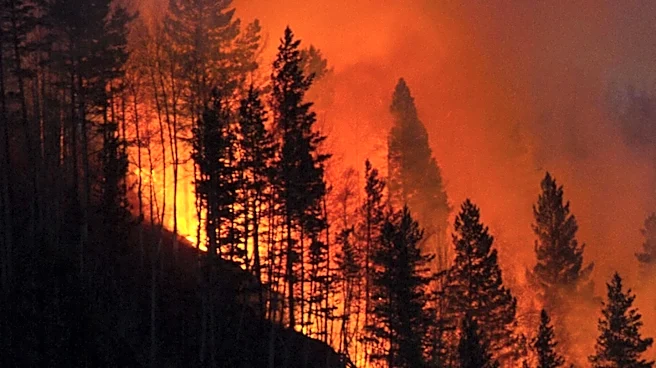
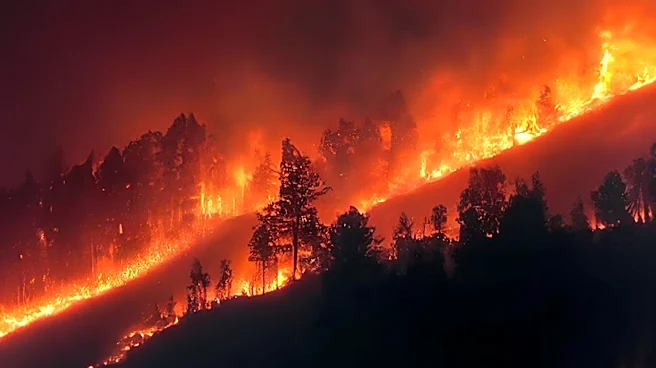
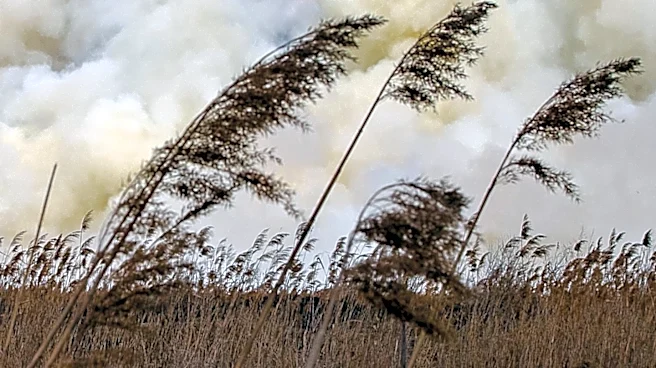
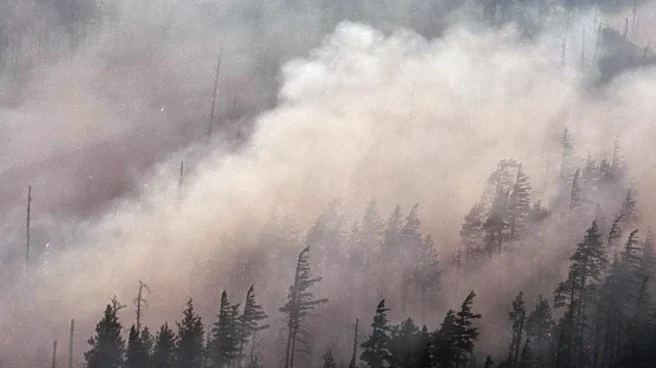
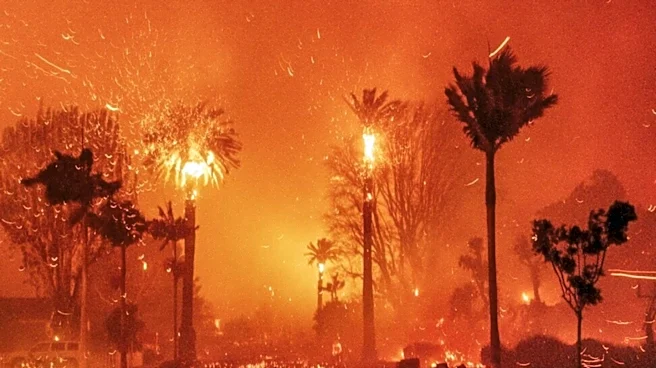
France is experiencing its most severe wildfire crisis since World War II, with over 250,000 people evacuated and more than 40,000 hectares burned in the Gironde region. The fires have destroyed hundreds of homes and continue to threaten communities.
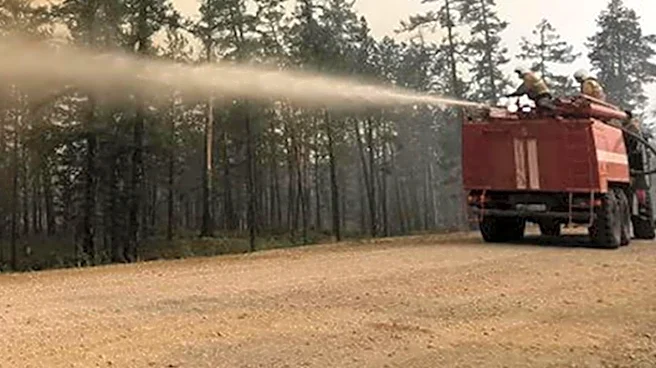
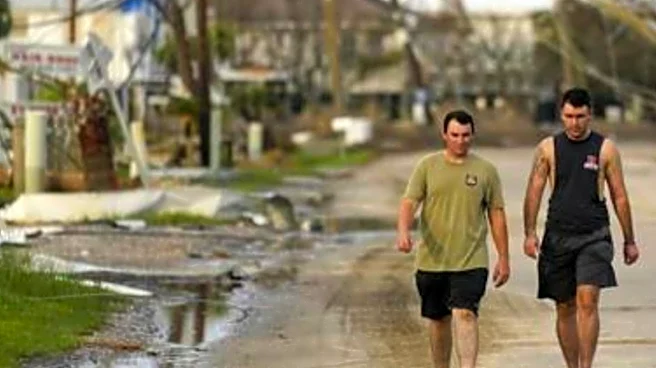
Local volunteers are actively supporting firefighting efforts, working long hours to protect their towns. The crisis has united communities, with many residents stepping up to assist in various capacities, from firefighting to providing meals for evacuees.
Why It's Important?
The wildfires in France highlight the increasing frequency and severity of climate-related disasters, emphasizing the need for effective emergency response and climate adaptation strategies. The community's response demonstrates the importance of local involvement and resilience in crisis situations. The economic and social impacts are significant, affecting tourism, local economies, and public health. This crisis underscores the urgent need for coordinated efforts to address climate change and enhance disaster preparedness.
What's Next?
As the fires continue, French authorities and local communities are focused on containment and recovery efforts. The situation may prompt a reevaluation of climate policies and emergency preparedness strategies. The ongoing crisis could lead to increased investment in climate resilience and disaster management. Public pressure on governments to address climate change more effectively is expected to grow, potentially influencing future policy decisions and international cooperation.