

What's Happening?
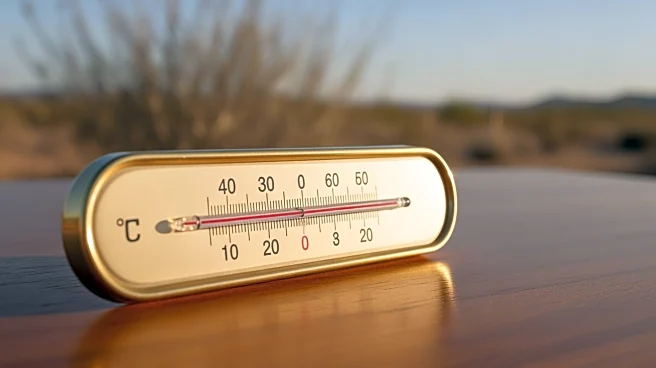
Meteorologists have reported that the recent winter was one of the warmest on record for much of the Western United States. The National Weather Service noted extreme temperature swings, with some areas experiencing record highs. For instance, Texas recorded
a new national winter high of 106 degrees at Falcon Dam. The West saw widespread anomalous warmth, with Phoenix experiencing its warmest winter on record. These conditions have raised concerns about increased wildfire risks due to drier and warmer weather.
Why It's Important?
The record warmth across the Western U.S. has significant implications for climate patterns and environmental conditions. The unusual temperatures could exacerbate drought conditions and increase the risk of wildfires, impacting agriculture, water resources, and public safety. The data also highlights the ongoing effects of climate change, prompting discussions on mitigation strategies and policy responses. Understanding these patterns is crucial for preparing for future climate-related challenges.
Beyond the Headlines
The extreme weather patterns observed this winter underscore the broader impacts of climate change. The data suggests that such temperature anomalies are becoming more frequent, challenging traditional weather expectations. This trend may necessitate changes in infrastructure, emergency preparedness, and resource management to adapt to a changing climate. The findings also emphasize the need for continued research and investment in sustainable practices to mitigate the effects of global warming.