





What's Happening?
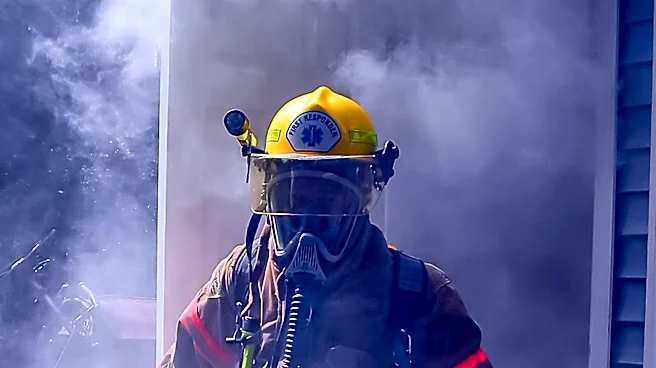
A new state-funded brain health and wellness program is expanding to Clay County, Florida, to provide support for local first responders and military veterans. This personalized, non-invasive treatment utilizes specialized brain mapping technology to assist
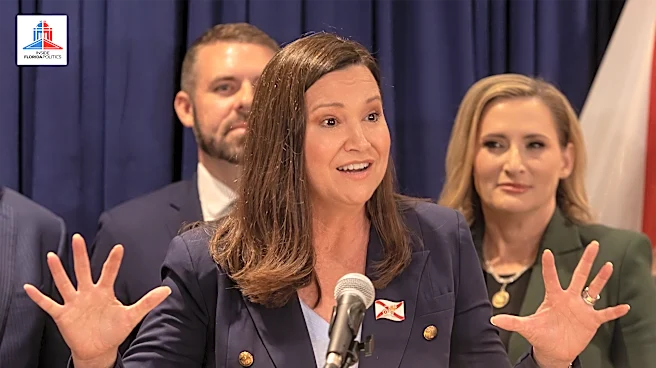
emergency personnel and veterans dealing with anxiety and post-traumatic stress disorder (PTSD). The initiative is fully funded by the state of Florida, ensuring that care is accessible to members of the Clay County Sheriff’s Office, Clay County Fire Department, Orange Park Police Department, Orange Park Fire Department, Green Cove Springs Police Department, and veterans associated with Operation Barnabas. The treatment involves 20 sessions, each lasting 15 minutes, and has shown benefits for individuals coping with anxiety and PTSD. Clay County Sheriff Michelle Cook, who personally underwent the program, reported significant improvements in her health, including better sleep.
Why It's Important?
This expansion is significant for several reasons. Firstly, it addresses the critical mental health needs of first responders and military veterans, who are often exposed to traumatic events that can lead to anxiety and PTSD. By offering a state-funded, non-invasive treatment, Florida is demonstrating a commitment to the well-being of these essential community members. Secondly, the program's success, as evidenced by Sheriff Michelle Cook's personal experience, highlights the potential effectiveness of brain mapping technology in mental health care. This could pave the way for broader adoption of similar technological interventions across the state and potentially the nation. Thirdly, the initiative underscores the growing recognition of mental wellness as a crucial component of public safety, ensuring that those who protect and serve the community are themselves in optimal mental condition. This investment can lead to improved performance, reduced burnout, and better overall quality of life for first responders and veterans.
What's Next?
The personalized health initiative, already active in Jacksonville, aims to serve as a model for regional and eventual statewide expansion. This suggests that more counties in Florida could see similar programs implemented in the future, broadening access to this brain health technology for a larger population of first responders and veterans. Florida House Speaker Sam Garrison's confirmation of full state backing indicates continued political support for such initiatives. The program's leaders intend for this model to become a standard, which could influence other states to explore similar state-funded mental health programs for their emergency personnel. Further research and data collection on the long-term efficacy and cost-effectiveness of this brain mapping technology will likely be crucial for its wider adoption and integration into mainstream mental healthcare strategies.
Beyond the Headlines
This program touches upon the evolving understanding of mental health in high-stress professions. Historically, mental health challenges among first responders and veterans have been stigmatized, leading to underreporting and inadequate support. This state-funded initiative helps to destigmatize mental health care by providing accessible and advanced treatment options. It also highlights the increasing role of technology in addressing complex health issues, moving beyond traditional therapeutic approaches. The focus on non-invasive methods aligns with a broader trend in healthcare towards less intrusive and more personalized interventions. Furthermore, the program's success could foster a cultural shift within emergency services, encouraging more open dialogue about mental health and promoting a proactive approach to psychological well-being, ultimately strengthening the resilience of these vital community protectors.